Views: 0 Author: Site Editor Publish Time: 2025-12-12 Origin: Site


Choosing the right lithium battery charger is key to maximizing battery efficiency and lifespan. Unlike traditional batteries, lithium batteries from LiFePO4 require specific charging methods. In this article, we will explore the principles behind lithium battery chargers, focusing on the constant current and constant voltage (CCCV) method.
By the end, you'll understand how to select the best charger for your needs. Learn more about Fuyuan's products for efficient and reliable charging solutions.
Lithium battery chargers are specifically designed to address the charging needs of lithium-based batteries like LiFePO4. Unlike traditional lead-acid batteries, LiFePO4 batteries require precise charging voltages and currents to maintain their efficiency and safety. The charging process for these batteries follows a precise algorithm known as Constant Current (CC) / Constant Voltage (CV), which ensures that the battery receives the optimal charge. This method prevents overheating, overcharging, and improves the overall lifespan of the battery.
The CC/CV method ensures that the charging process is efficient, maintaining the longevity and performance of the battery while keeping it safe. This method is essential for preventing premature aging of the battery and ensuring that it continues to operate at its maximum capacity throughout its life.
Lithium battery chargers operate in a multi-stage charging process to ensure a safe and efficient charge. Here's how the charging process works step-by-step:
1. Qualification Stage: In this initial stage, the charger checks the battery’s voltage to verify that it is within an acceptable range. If the battery voltage is too low or too high, the charger will not proceed, ensuring safety.
2. Constant Current Stage: Once the battery is deemed safe for charging, the charger begins providing a constant current. During this stage, the charger delivers a steady current to the battery, rapidly charging it without creating excessive heat. The constant current stage is essential for quickly replenishing the battery’s energy.
3. Constant Voltage Stage: When the battery reaches a predefined voltage (usually around 80% of its full charge), the charger switches to constant voltage mode. The charger maintains the voltage level while gradually reducing the current. This ensures that the battery is safely charged without the risk of overcharging, which could damage the cells or reduce the lifespan of the battery.
4. Termination Stage: The charging process ends when the current drops below a specified threshold, signaling that the battery is fully charged. At this point, the charger stops providing current, and the battery is ready for use.
Stage | Description | Purpose |
Qualification | Checks battery voltage for safety | Prevents unsafe charging conditions |
Constant Current | Delivers steady current until voltage threshold is reached | Quick charging without overheating |
Constant Voltage | Maintains a steady voltage, reducing current to prevent overcharging | Ensures safe, efficient charging |
Termination | Ends charging when current drops below threshold | Prevents overcharging and battery damage |
One of the primary advantages of lithium battery chargers is their ability to deliver precise charging voltages, which are crucial for maintaining battery health. Unlike other battery types, lithium batteries require a specific voltage range to charge safely. A high-quality lithium battery charger ensures the voltage stays within the prescribed range, preventing overcharging and undercharging that can degrade the battery’s performance over time. This precision contributes to the battery’s longevity, ensuring that it remains efficient throughout its lifecycle.
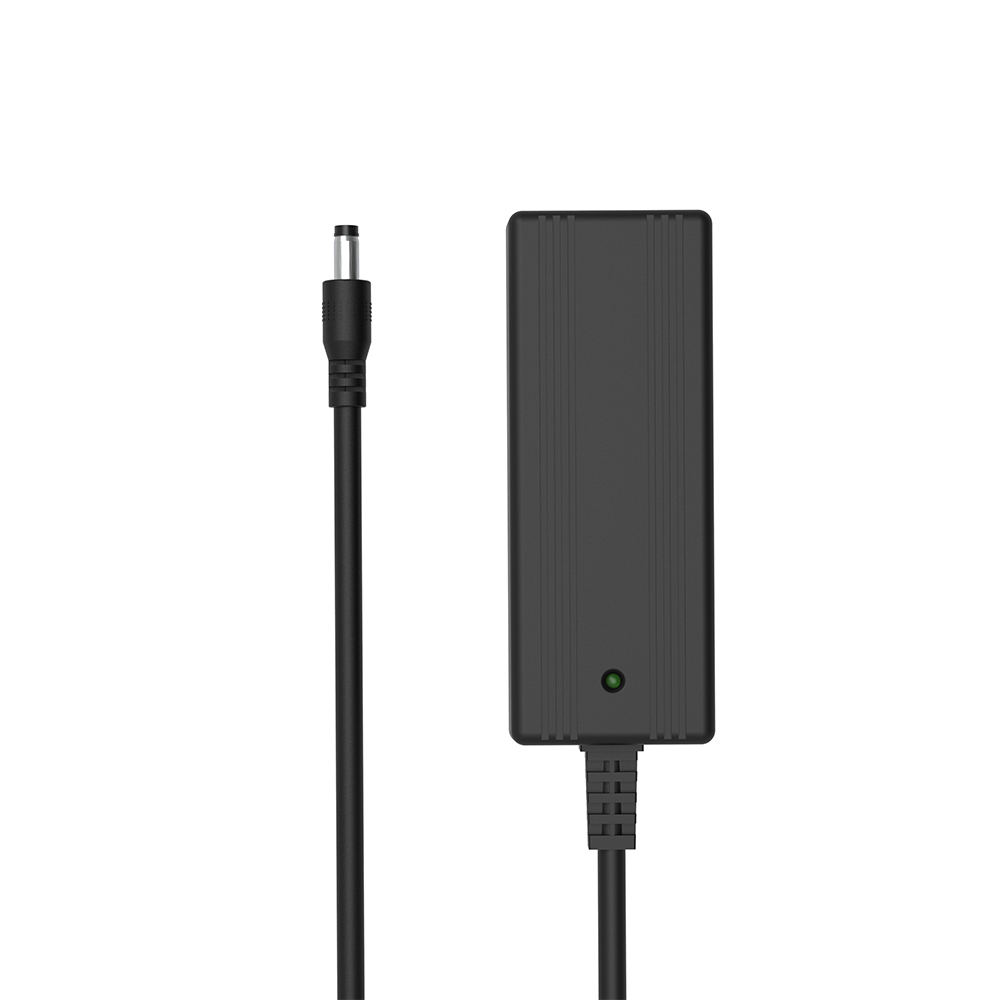
Safety is essential in lithium battery chargers to prevent overcharging, short circuits, and thermal damage. Charging a lithium battery beyond its specified limits can cause serious safety hazards, such as fires or irreversible damage to the cells. Therefore, it's crucial to choose a charger that comes equipped with multiple safety features. Look for chargers that include:
● Over-voltage protection: Prevents the battery from charging beyond its maximum voltage, which can cause overheating and damage.
● Short-circuit protection: Protects against the risk of electrical short circuits that could damage both the charger and the battery.
● Temperature monitoring: Ensures the battery doesn’t overheat, reducing the risk of thermal runaway and extending its life.
Feature | Description | Importance |
Precision Charging | Accurate voltage control to ensure battery health | Extends battery lifespan and enhances performance |
Safety Features | Over-voltage, short-circuit, and temperature protection | Prevents accidents and ensures safety |
Smart Features | IoT connectivity, automatic battery detection | Optimizes charging performance and efficiency |
Fast Charging | Quick charging while maintaining battery health | Reduces downtime and enhances operational efficiency |
The Constant Current (CC) / Constant Voltage (CV) charging algorithm is the standard charging method for lithium-ion and LiFePO4 batteries. It involves two key stages:
● Constant Current: The charger provides a constant current to the battery until it reaches the required voltage.
● Constant Voltage: After the battery reaches the target voltage, the charger shifts to constant voltage mode, gradually decreasing the current to prevent overcharging.
Charging Stage | Description | Purpose |
Qualification Stage | Checks battery voltage to ensure safe charging | Prevents unsafe charging conditions |
Constant Current | Supplies a steady current until the target voltage is reached | Quickly charges without overheating |
Constant Voltage | Maintains a steady voltage while reducing the current | Ensures no overcharging |
Termination Stage | Ends charging once current drops below a threshold | Prevents overcharging and battery damage |
The CCCV method is vital for lithium batteries as it ensures safe charging without damaging the battery. By preventing overcurrent and overvoltage conditions, it helps extend the lifespan of the battery and enhances its performance.
Choosing the Right Lithium Battery Charger Voltage and Current Compatibility When selecting a lithium battery charger, ensure that it is compatible with the battery’s voltage and charging requirements. For instance, a 12V lithium battery typically charges at a voltage of 14.6V. Higher voltage batteries, like 24V or 48V systems, will require appropriate chargers that match the voltage levels. Using a charger with an incorrect voltage can result in inefficient charging or, in the worst case, damage to the battery. Always verify that the charger’s voltage matches the battery’s required charging voltage to ensure safety and optimal performance.
Battery Voltage | Charger Voltage | Typical Use Cases |
12V | 14.6V | Solar power storage, small electronics |
24V | 29.2V | Electric vehicles, backup power systems |
36V | 43.8V | Larger battery packs, industrial applications |
48V | 58.4V | High power systems, e-mobility, solar grids |
Charging Speed and Efficiency Many lithium battery chargers offer fast charging capabilities, allowing you to charge your battery quickly while maintaining its health. This is beneficial for users with high power demands or tight schedules. However, be cautious of chargers that overcharge the battery or use higher currents than recommended, as this could damage the battery or reduce its lifespan. Opt for chargers with built-in protection circuits, such as temperature monitoring and current regulation, to ensure safe and efficient charging without compromising battery health.
Lithium batteries are commonly used in energy storage systems, including solar energy storage. A high-quality charger can efficiently charge these batteries, ensuring a consistent and reliable power supply. With the increasing shift toward renewable energy, efficient charging solutions are critical for maintaining the performance and longevity of energy storage systems, making them a cornerstone of sustainable power management.
Electric vehicles (EVs) and electric mobility solutions, such as e-bikes and e-scooters, use lithium batteries to power their systems. Using the correct lithium battery charger ensures that these systems are charged efficiently, optimizing driving range and performance. As the demand for EVs continues to rise, advanced charging infrastructure will play a key role in supporting the transition to clean, electric transportation solutions.
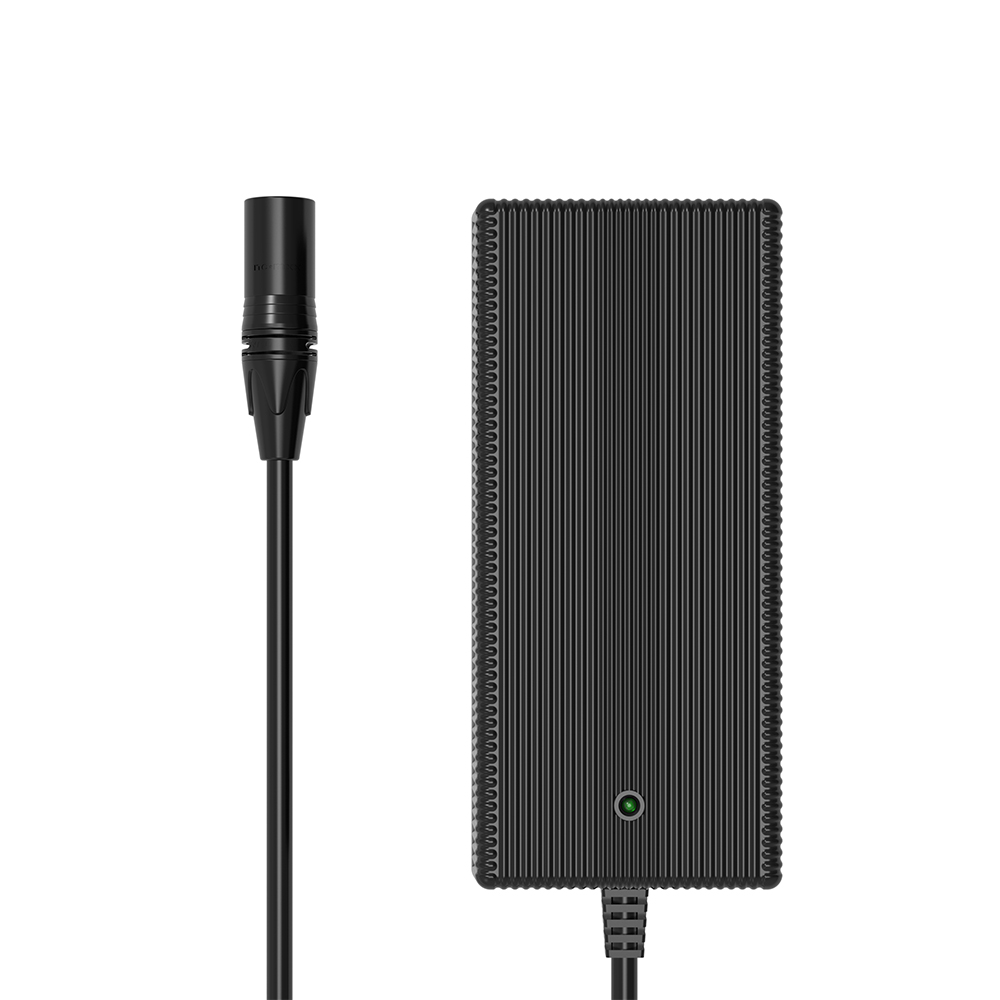
For marine and RV applications, reliable and efficient lithium battery chargers are essential for ensuring that batteries remain charged during long trips. Chargers designed for these systems should be robust and provide stable charging over extended periods, even in fluctuating conditions such as varying temperatures or harsh environments. These chargers are crucial for the safety and convenience of users who rely on their power systems while on the move.
Modern lithium battery chargers are integrating more advanced features, such as IoT connectivity, which allows for remote monitoring and management of battery charge cycles. This innovation makes it easier to track charging patterns and predict maintenance needs, ensuring battery health and longevity. Smart chargers also enhance user convenience by enabling features such as scheduled charging and real-time alerts for maintenance.
Advances in materials science and electronics have led to more efficient lithium battery chargers with reduced energy losses. This means that more power goes directly into the battery, improving overall efficiency and reducing heat generation. These technological improvements have resulted in chargers that are not only more energy-efficient but also more durable, reducing the frequency of repairs and contributing to longer service life.
To maintain the longevity of your lithium battery charger, regular inspections are essential. Dust and debris can obstruct ventilation and cause overheating, so it’s crucial to clean your charger and ensure proper airflow. Keeping the vents and fans clean helps the charger operate efficiently, preventing potential damage and maintaining optimal charging performance over time.
As technology evolves, manufacturers release firmware updates for chargers to improve performance, compatibility, and safety features. Regularly updating your charger’s firmware ensures that it remains up-to-date with the latest advancements. This practice enhances the charger’s functionality, keeps it safe from emerging issues, and ensures that it works seamlessly with new battery technologies.
The future of lithium battery chargers involves greater integration with IoT and smart technology. This will allow for real-time monitoring, predictive maintenance, and seamless control. By incorporating sensors and data analytics, these smart actuators will provide more efficient, adaptive, and connected solutions for industries, offering real-time insights into charging efficiency and battery status for improved performance.
Advancements in materials science are leading to lighter, more durable electric actuators. The integration of these new materials will enhance actuator performance, reduce energy consumption, and extend the lifespan of systems. As these innovations continue, actuators will become more efficient and adaptable, which will improve the overall performance of lithium battery chargers and other electric-powered systems.
As industries demand more specialized actuators, manufacturers are moving toward modular and customizable solutions. This approach will allow for more flexible and cost-effective actuator systems tailored to meet specific needs. Customizable actuators offer the potential for better performance, improved adaptability, and easier integration into existing systems, making them highly valuable for industries looking for tailored solutions.
Selecting the right lithium battery charger is crucial for maintaining the performance and safety of your battery system. Understanding the charging principles, especially the CCCV method, is key to making informed decisions. A well-chosen charger will enhance battery lifespan, efficiency, and safety. Fuyuan's chargers offer reliable solutions, providing superior performance and value for both personal and industrial use.
Tip: Regular maintenance and keeping your charger updated with the latest firmware are essential steps to ensure that your battery operates at its best, maximizing efficiency and performance.
A: A lithium battery charger is a device used to recharge lithium batteries, ensuring they maintain optimal performance. It operates based on principles like constant current and constant voltage (CCCV), which help prevent overcharging and ensure battery longevity.
A: The CCCV (constant current, constant voltage) method involves charging the battery at a fixed current until it reaches a set voltage, after which the voltage is held steady while the current gradually decreases. This ensures efficient charging and maximizes battery life.
A: Choosing the right charger ensures your battery is charged safely, efficiently, and lasts longer. An improper charger can cause overheating, reduced capacity, or even battery damage, which is why understanding the principles of lithium battery chargers is essential.
A: A high-quality lithium battery charger ensures optimal charging, enhances efficiency, extends battery lifespan, and provides safety features like overcharge protection. Fuyuan's chargers offer reliable performance and value, supporting both personal and industrial needs.


