Views: 0 Author: Site Editor Publish Time: 2025-12-12 Origin: Site


Improper charging can shorten your golf cart battery’s lifespan. Whether it’s Lead-acid or Lithium-ion, proper charging is key.
This guide will show you how to charge both battery types safely. You'll also learn best practices to extend battery life.
Discover tips and maintenance advice to keep your golf cart running smoothly. Learn more about Fuyuan's charging solutions for lasting performance.
Before diving into the charging process, it’s essential to understand the differences between Lead-acid and Lithium-ion batteries. These two types of batteries each have unique characteristics that influence how they should be charged and maintained.
Golf cart batteries are deep-cycle batteries designed to provide reliable and consistent power for your cart. These batteries come in various voltages, typically 6V, 8V, or 12V, and are designed to handle the high discharge rates required for continuous use. Unlike standard car batteries, they are built to deliver long, steady power rather than short bursts.
The two most common types of golf cart batteries are Lead-acid and Lithium-ion, each with its distinct features and charging needs.
● Lead-acid batteries: These are the traditional type of battery used in older golf carts. They are less expensive upfront compared to Lithium-ion batteries, making them an attractive option for budget-conscious users. However, Lead-acid batteries require regular maintenance, such as checking and topping off water levels in flooded versions. They have a shorter lifespan, usually around 4-6 years, and tend to take 6-10 hours to fully charge. Over time, Lead-acid batteries may experience issues like sulfation, which can affect performance and lifespan.
● Lithium-ion batteries: In contrast, Lithium-ion batteries are a more modern, energy-efficient option, known for their lighter weight and minimal maintenance needs. These batteries don’t require water checks or frequent upkeep, making them more convenient for users. They typically last between 8-12 years, which is significantly longer than Lead-acid batteries. Lithium-ion batteries also charge much faster, typically within 2-4 hours. However, they come with a higher initial cost, making them a more significant investment upfront.
Charging Lead-acid batteries correctly is essential to ensure their longevity, performance, and safety. Following the right charging procedures can help extend the life of the battery and maintain its efficiency over time.
1. Park in a well-ventilated area: Proper ventilation is crucial to prevent overheating and allow any gases produced during charging to dissipate safely.
2. Turn off all electronics: Make sure the cart is powered off, including the ignition, lights, and any other electrical systems. This ensures that no power is being drawn while charging.
3. Check the water levels (for flooded batteries): If you’re using a flooded Lead-acid battery, check the water levels regularly. Add distilled water to the battery if needed, ensuring the plates are fully submerged. This helps prevent the plates from being exposed to air and reduces the risk of damage.
4. Connect the charger: Plug the charger into the golf cart’s charging port. Ensure that the charger is compatible with your battery type and voltage (e.g., 12V or 24V).
5. Plug the charger into the wall outlet: Check that the wall outlet matches the voltage rating of the charger. Make sure the outlet is grounded and in good condition.
6. Allow the battery to charge fully: Lead-acid batteries typically take between 6-10 hours to fully charge. Avoid interrupting the charging process to ensure the battery reaches full capacity.
7. Unplug and disconnect: Always disconnect the charger from the battery first and then unplug it from the wall outlet. This helps prevent any electrical issues, such as short circuits.
● Charge after every use: Lead-acid batteries should be charged after every use, even if they haven’t been fully drained. This prevents sulfation, a buildup of lead sulfate on the battery plates, which can significantly reduce battery life.
● Avoid overcharging: Overcharging can cause the battery to overheat and damage the internal components. Use a charger with an automatic shut-off feature that will stop charging once the battery reaches full capacity.
● Regularly check for corrosion: Corrosion can form on the battery terminals, disrupting the connection between the battery and the charger. Clean the terminals every few months with a mixture of baking soda and water to maintain a stable connection.
Charging Step | Lead-acid Batteries | Lithium-ion Batteries |
1. Disconnect power | Turn off the golf cart | Turn off the golf cart |
2. Water check | Check water levels (if flooded) | Not required |
3. Connect charger | Plug charger into the charging port | Plug charger into the charging port |
4. Charging time | 6–10 hours | 2–4 hours |
5. Disconnect charger | Unplug charger from battery first | Charger will shut off automatically |
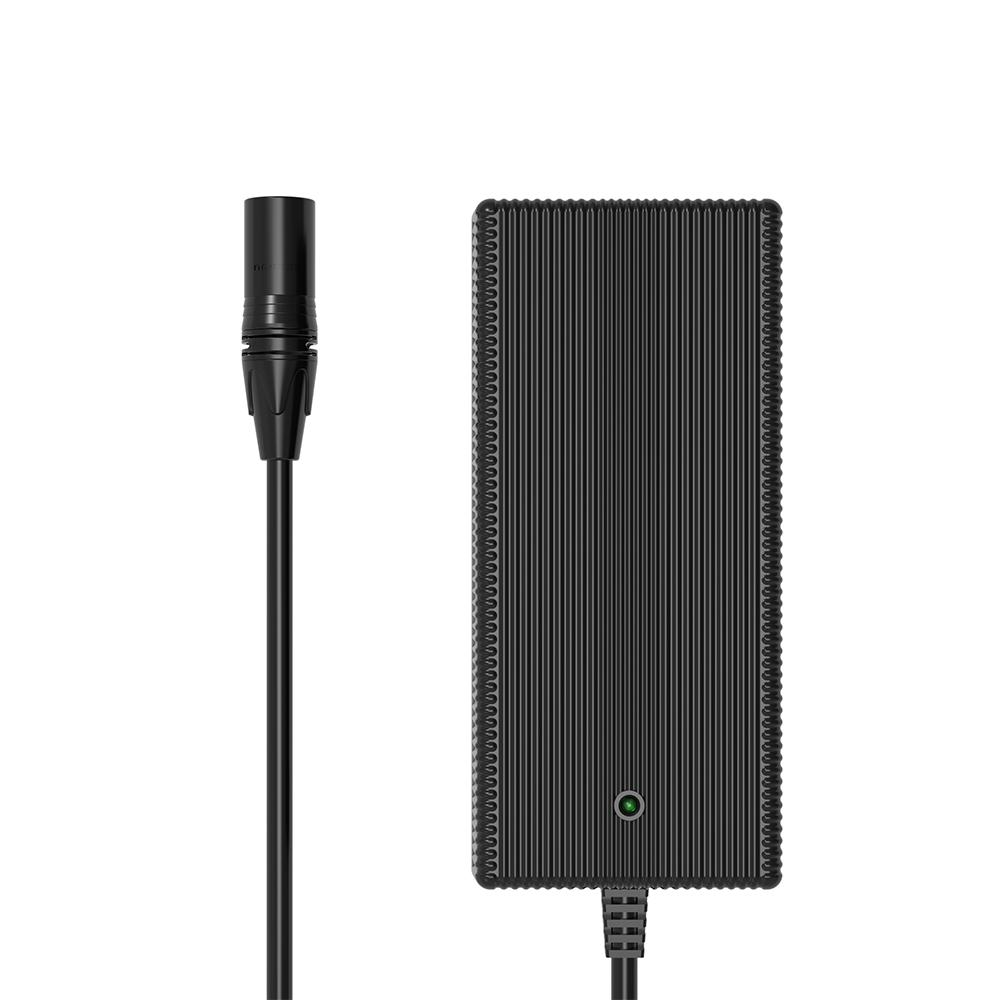
Charging Lithium batteries is simpler and faster than charging Lead-acid batteries, with quicker charge times and minimal maintenance. Following the right steps will help you maximize battery performance and lifespan.
1. Use the correct charger: Always use a charger specifically designed for Lithium-ion batteries to ensure safe and efficient charging.
2. Connect the charger: Plug the charger into the golf cart’s charging port, ensuring a secure connection.
3. Charge for 2-4 hours: Lithium batteries charge much faster than Lead-acid batteries, typically taking between 2 to 4 hours to fully charge.
4. Automatic shut-off: The charger will automatically stop charging once the battery is full, preventing overcharging.
5. Minimal maintenance: Lithium-ion batteries require very little maintenance compared to Lead-acid batteries. Regular checks are not needed, but keeping the terminals clean is advised.
● Charge after every use: While Lithium-ion batteries are more forgiving than Lead-acid batteries, it's still a good practice to charge them after every use to maintain optimal performance.
● Avoid extreme temperatures: Only charge Lithium-ion batteries when the temperature is between 32°F and 113°F (0°C and 45°C). Charging outside this range can cause damage.
● Don’t overcharge: Lithium-ion batteries are less prone to overcharging, thanks to built-in protection mechanisms, but it’s still important to use a charger designed specifically for Lithium-ion batteries to avoid any potential risks.
Charging Lead-acid and Lithium-ion batteries involves different processes that can significantly affect battery life and performance.
Battery Type | Charging Time | Best For |
Lead-acid | 6–10 hours | Users who prefer affordability |
Lithium-ion | 2–4 hours | Users needing quick turnaround times |
● Lead-acid batteries: Require regular maintenance, such as checking and topping up water levels and cleaning terminals.
● Lithium-ion batteries: Require minimal maintenance. The main focus is ensuring proper charging and avoiding extreme temperatures.
Battery Type | Maintenance Needs | Frequency |
Lead-acid | Water level checks, terminal cleaning | Regular (monthly or more) |
Lithium-ion | Minimal maintenance (cleaning) | Occasional (when necessary) |
Despite following the correct charging procedures, you may still encounter issues. Here’s how to troubleshoot common charging problems for both Lead-acid and Lithium-ion batteries.
● Sulfation: If a Lead-acid battery is left uncharged for extended periods, lead sulfate crystals can form on the battery plates, reducing charging efficiency. This issue can be addressed by using a desulfator or applying an equalizing charge, which helps break down the sulfate crystals and restore the battery’s performance.
● Slow charging: If charging is unusually slow, the issue may be due to a worn-out charger or a damaged battery. In such cases, consider replacing the charger or performing a load test on the battery to check for any internal issues.
● Battery in sleep mode: Lithium-ion batteries can enter sleep mode if they are excessively discharged. This occurs when the battery voltage drops too low. A charger with a low-voltage recovery feature can be used to restore the battery to a chargeable state. If the charger lacks this feature, it may not be able to revive the battery.
● Charger incompatibility: Lithium-ion batteries require chargers specifically designed for them. If a charger designed for Lead-acid batteries is used, it could lead to inefficient charging or even cause damage to the Lithium-ion battery. Always use a charger made for Lithium-ion batteries to ensure optimal charging and safety.
Maintaining optimal charging practices for both Lead-acid and Lithium-ion batteries is crucial for ensuring long battery life and peak performance.
● Charge after each use: Both Lead-acid and Lithium-ion batteries benefit from regular charging. For Lead-acid batteries, charging after every use helps prevent sulfation, a process that can damage the battery over time. For Lithium-ion batteries, consistent charging ensures the battery maintains its peak performance and avoids deep discharge cycles that could reduce its lifespan.
● Smart chargers: Using a charger with an automatic shut-off feature is essential for both Lead-acid and Lithium-ion batteries. These chargers stop charging once the battery is full, preventing overcharging, which can degrade battery health. For Lithium-ion batteries, choosing a charger with an automatic cut-off feature once the battery reaches full charge is especially important, as it ensures the battery remains safe and maintains longevity.
Regular maintenance ensures that your Lead-acid or Lithium-ion battery continues to perform at its best and extends its lifespan. Whether you own a Lead-acid or Lithium-ion battery, following proper maintenance practices can prevent common issues and improve battery efficiency.
Lead-acid batteries require more attention and care to keep them running smoothly. Follow these simple steps to ensure optimal performance:
● Check water levels: For flooded Lead-acid batteries, it’s essential to regularly check the water levels. Add distilled water when necessary to ensure the plates are submerged. Low water levels can cause the battery to overheat and degrade faster.
● Clean terminals: Corrosion can build up on the battery terminals over time, leading to poor connections and decreased performance. Use a solution of baking soda and water to clean the terminals regularly. This will help prevent corrosion and maintain efficient charging.
● Inspect for damage: Check for any cracks, leaks, or bulging signs on the battery case. Any damage could result in a loss of efficiency or even a safety hazard, so address any issues promptly.
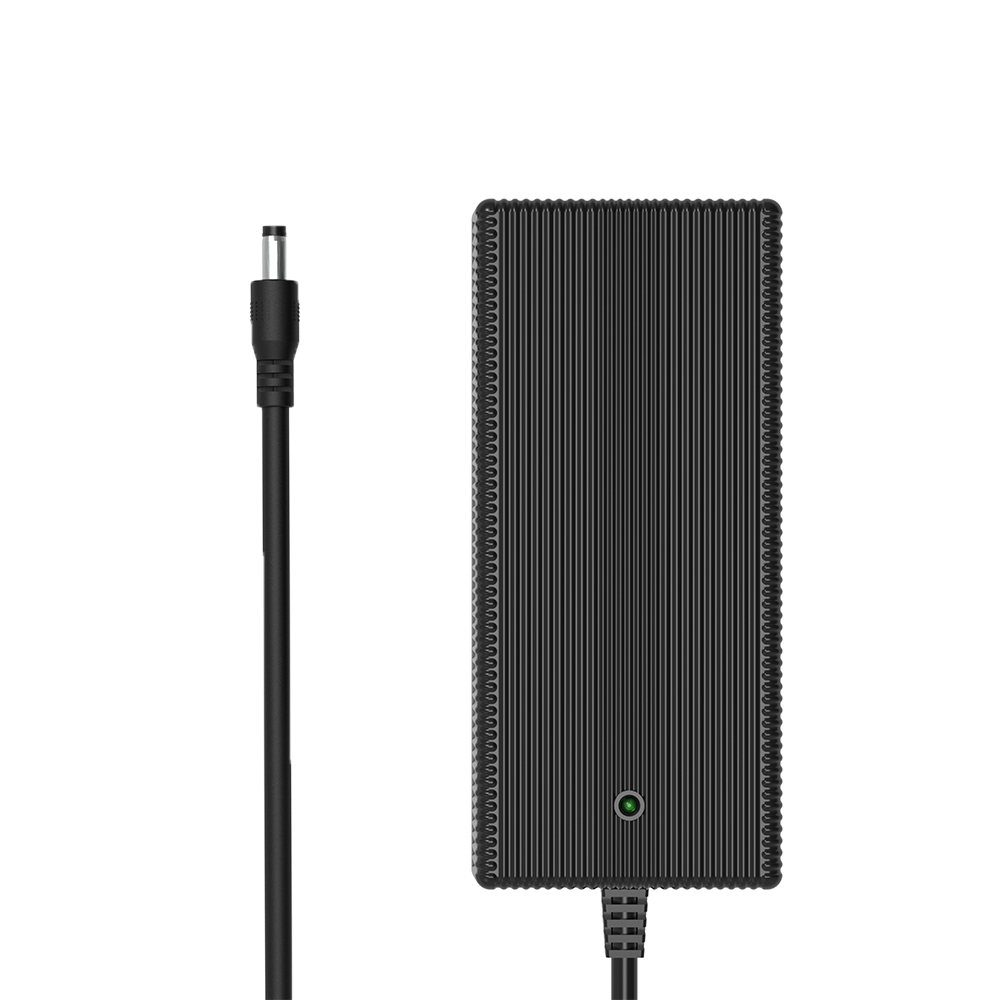
Lithium-ion batteries are less maintenance-intensive than Lead-acid batteries, but a few key practices will help keep them performing well:
● Minimal care: Lithium-ion batteries don’t require water checks or electrolyte management. However, it’s important to keep the terminals clean and free from dirt and corrosion. Clean the terminals with a soft cloth to ensure optimal connections.
● Keep the battery cool: Lithium-ion batteries are sensitive to extreme temperatures. Avoid exposing the battery to very high or low temperatures, as this can reduce its performance and lifespan. Store the battery in a cool, dry place, and never leave it in direct sunlight for extended periods.
Proper charging and maintenance are key to ensuring your golf cart battery operates efficiently and lasts longer. Understanding the charging needs of both Lead-acid and Lithium-ion batteries helps prevent issues and extend their lifespan. For those seeking reliable, long-lasting charging solutions, Fuyuan offers high-quality chargers that ensure efficiency and battery longevity.
Tip: Always ensure you are using the correct charger for your battery type to avoid overcharging and to maintain optimal performance.
A: Lead-acid batteries are more affordable but require regular maintenance and have a shorter lifespan. Lithium-ion batteries are more efficient, charge faster, and last longer but come at a higher upfront cost.
A: Lead-acid batteries typically take 6-10 hours to charge, while Lithium-ion batteries charge in 2-4 hours.
A: No, you should always use a charger that is specifically designed for your battery type, whether Lead-acid or Lithium-ion. Using the wrong charger can damage the battery.


