Views: 0 Author: Site Editor Publish Time: 2025-12-12 Origin: Site


Choosing the right charger is crucial for your battery’s performance. Lead-acidand LiFePO4 batteries need different chargers.In this article, we’ll explore their key differences. We’ll also discuss their benefits and ideal uses.
By the end, you’ll understand which charger suits your needs. Learn more about Fuyuan’s high-performance chargers.
Lead-acid battery chargers are designed to recharge traditional lead-acid batteries, which have been in use for over 150 years. These chargers are commonly found in automotive applications, backup power systems, solar energy storage, and other industrial uses. Despite being an older technology, lead-acid batteries remain popular due to their affordability, reliability, and long-established performance.
A lead-acid charger operates by providing a constant current to the battery until it reaches a specific voltage level. The charging process begins with constant current charging, where the charger applies a fixed current. Once the battery reaches its target voltage, typically around 14.4V for a 12V lead-acid battery, the charger switches to constant voltage charging. This prevents overcharging and ensures safe operation. During this process, the current gradually decreases as the battery nears its full charge. Many lead-acid chargers also include a float charge mode to maintain the battery at full charge without overcharging, which is ideal for long-term use in systems like backup power and solar storage systems.
● Multi-stage charging: Lead-acid chargers utilize stages such as bulk charging, absorption charging, and float charging to ensure efficient and safe charging. Each stage is designed to optimize charging speed and battery health.
● Temperature regulation: Some chargers adjust the charging rate based on the battery’s temperature to prevent overheating. This ensures the charger operates efficiently and protects the battery.
● Protection systems: Modern lead-acid chargers come equipped with overcharge protection, overcurrent protection, reverse polarity protection, and short-circuit protection, safeguarding both the charger and the battery.
● Low initial cost: Lead-acid chargers are generally affordable, making them accessible for various applications, from automotive to solar systems.
● Widely available: These chargers are commonly found in the market, with options that are easy to use and compatible with a wide range of devices.
● Reliable for low-demand applications: Ideal for vehicles, backup systems, and other low-frequency applications where quick charging isn't crucial.
● Slow charging speed: Lead-acid chargers are slower compared to LiFePO4 chargers, which can be a limitation for applications requiring faster turnaround times.
● Frequent maintenance: Lead-acid batteries, especially flooded types, require regular maintenance, such as topping up water levels and cleaning terminals to prevent corrosion.
● Shorter lifespan: Lead-acid batteries typically last 3-5 years, while LiFePO4 batteries can last up to 10 years, making lead-acid batteries a less durable option in the long term.
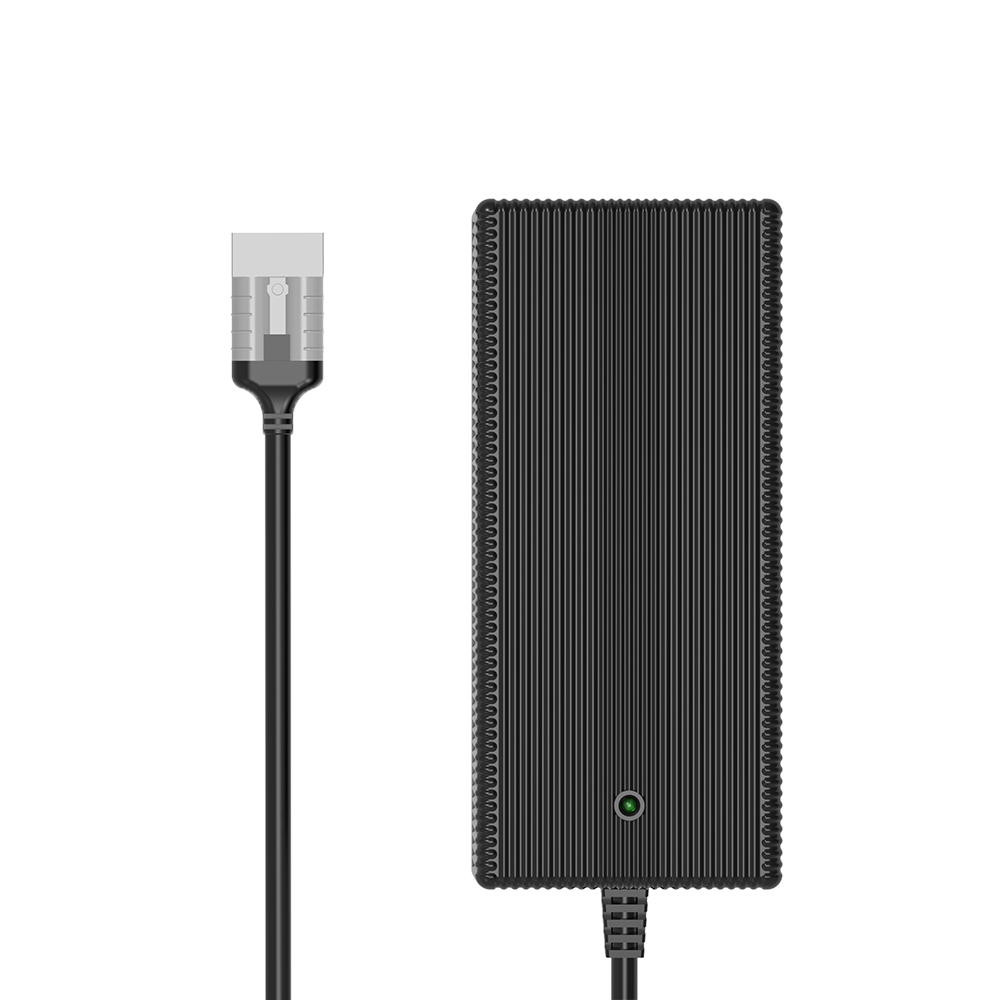
LiFePO4 battery chargers are specifically designed for lithium iron phosphate (LiFePO4) batteries. These batteries are known for their superior performance, safety, and longer lifespan compared to traditional lead-acid batteries.
A LiFePO4 charger uses a constant current/constant voltage (CC/CV) charging method. The charger provides a constant current until the battery reaches its target voltage, typically 14.4V–14.6V for a 12V LiFePO4 battery. Once the voltage reaches the optimal level, the charger switches to constant voltage mode and gradually decreases the current until the battery is fully charged.
● High efficiency: LiFePO4 chargers allow for faster charging with better efficiency due to their ability to handle higher charging currents without damaging the battery.
● Built-in Battery Management System (BMS): Protects the battery from overcharging, overheating, and short-circuits, ensuring safe and optimized charging.
● No float charging: LiFePO4 chargers do not require a float or trickle charge mode, which minimizes wear on the battery.
Advantages:
● Faster charging times compared to lead-acid chargers.
● Longer battery lifespan and minimal maintenance.
● Enhanced safety features, such as BMS and temperature monitoring.
Disadvantages:
● Higher initial cost compared to lead-acid chargers.
● Requires a charger specifically designed for LiFePO4 batteries to avoid damage.
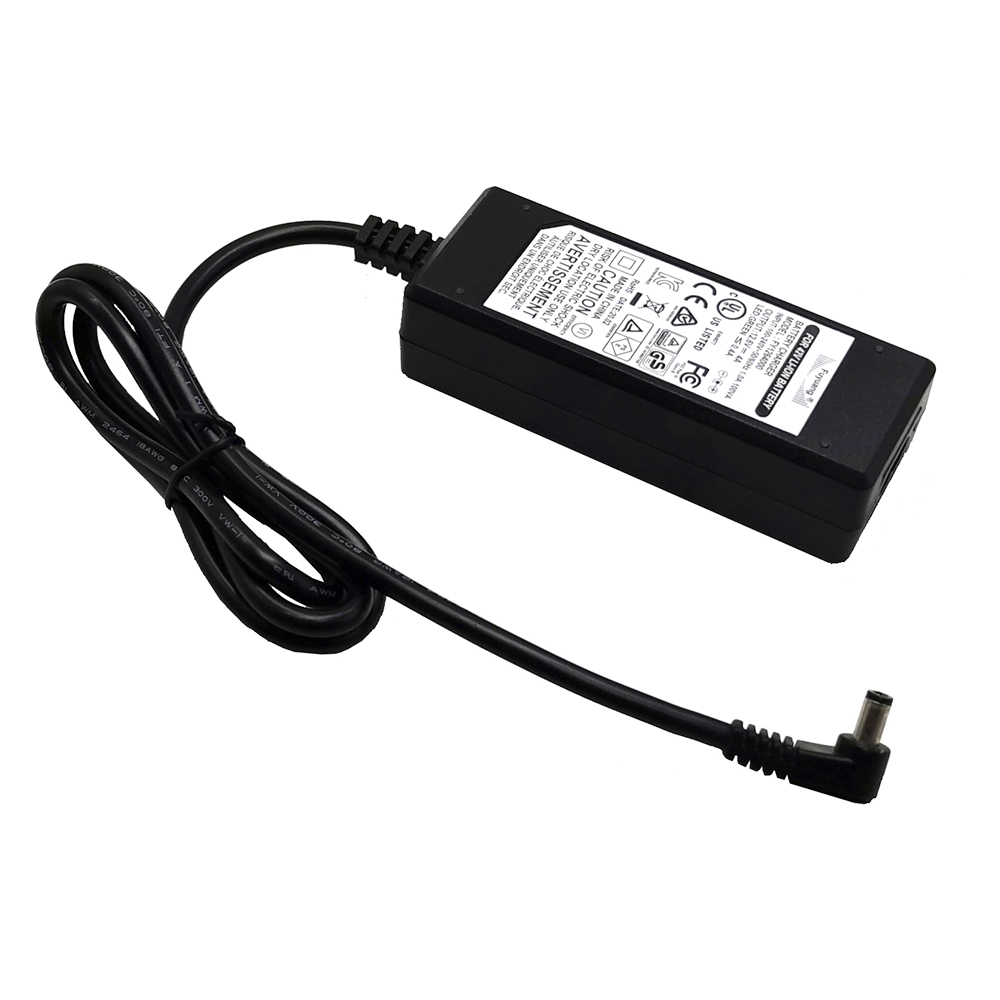
LiFePO4 chargers charge much faster than lead-acid chargers. Due to their ability to accept higher charging currents, LiFePO4 batteries can be recharged in a fraction of the time. For example, a 100Ah LiFePO4 battery can be fully charged in 4-5 hours with a LiFePO4 charger, while a lead-acid charger might take 6-8 hours for the same capacity. This makes LiFePO4 chargers ideal for applications where charging speed is essential, such as electric vehicles or solar energy storage systems.
Battery Type | Capacity | Lead-acid Charger (Typical Charging Time) | LiFePO4 Charger (Typical Charging Time) |
Lead-acid (12V) | 100Ah | 6-8 hours | N/A |
LiFePO4 (12V) | 100Ah | N/A | 4-5 hours |
Lead-acid (24V) | 200Ah | 10-12 hours | N/A |
LiFePO4 (24V) | 200Ah | N/A | 6-7 hours |
LiFePO4 chargers are designed with precise voltage regulation, ensuring that each battery receives the correct voltage to maximize its lifespan. These chargers also maintain higher voltage stability, reducing the risk of overcharging. Lead-acid chargers, however, need to be more carefully monitored to avoid overcharging, which can degrade the battery and shorten its lifespan. LiFePO4 chargers often come with built-in protection mechanisms such as overvoltage protection, temperature control, and overcurrent protection, making them safer and more reliable for long-term use. This precision in charging is one of the reasons LiFePO4 batteries tend to last longer than lead-acid batteries.
Battery Type | Voltage Range for Charging | Common Voltage (12V System) | Common Voltage (24V System) |
Lead-acid | 13.8V – 14.7V | 14.4V | 28.8V |
LiFePO4 | 14.4V – 14.6V | 14.4V | 28.8V |
LiFePO4 chargers require minimal maintenance because LiFePO4 batteries do not suffer from the common issues that affect lead-acid batteries, such as sulfation. Sulfation occurs when lead-acid batteries are undercharged or overcharged, causing a buildup of lead sulfate crystals that reduces battery efficiency and lifespan. LiFePO4 batteries, on the other hand, do not experience sulfation, which makes their maintenance significantly easier.
In contrast, lead-acid batteries require more frequent maintenance. This includes topping up the electrolyte levels in flooded lead-acid batteries and cleaning the battery terminals to prevent corrosion. Regular inspection is also required to ensure proper charging and to extend battery life.
Lead-acid battery chargers are ideal for applications where cost is a primary concern or where fast charging is not necessary. These chargers are best suited for:
● Automotive applications (cars, trucks, motorcycles)
● Small backup power systems (UPS)
● Low-demand solar energy storage systems
If your primary concern is budget and the application is relatively low-power, a lead-acid charger may be the best option for you.
If you require faster charging, long battery lifespan, and minimal maintenance, LiFePO4 chargers are the superior choice. These chargers are ideal for:
● Electric vehicles (EVs)
● Solar energy storage systems
● Renewable energy setups
● Backup power systems
LiFePO4 chargers are also well-suited for high-demand applications like industrial equipment, robotics, and mobility devices.
LiFePO4 chargers generally come with a higher initial price due to the advanced technology and safety features they incorporate. However, the price difference is justified by their superior performance, efficiency, and long-term value. Lead-acid chargers, while more affordable upfront, tend to have higher lifetime costs because of more frequent battery replacements and maintenance.
Over time, LiFePO4 chargers prove to be more cost-effective than lead-acid chargers. LiFePO4 batteries last longer, charge faster, and require less maintenance, resulting in lower lifetime costs. In contrast, lead-acid batteries have a shorter lifespan and may need to be replaced every few years, increasing the total cost of ownership.
Feature | Lead-acid Battery Charger | LiFePO4 Battery Charger |
Initial Cost | Low | High |
Charging Speed | Slow | Fast |
Battery Lifespan | 3-5 years | 10+ years |
Maintenance Cost | High (regular maintenance required) | Low (minimal maintenance required) |
Total Cost of Ownership | Higher over time | Lower over time |
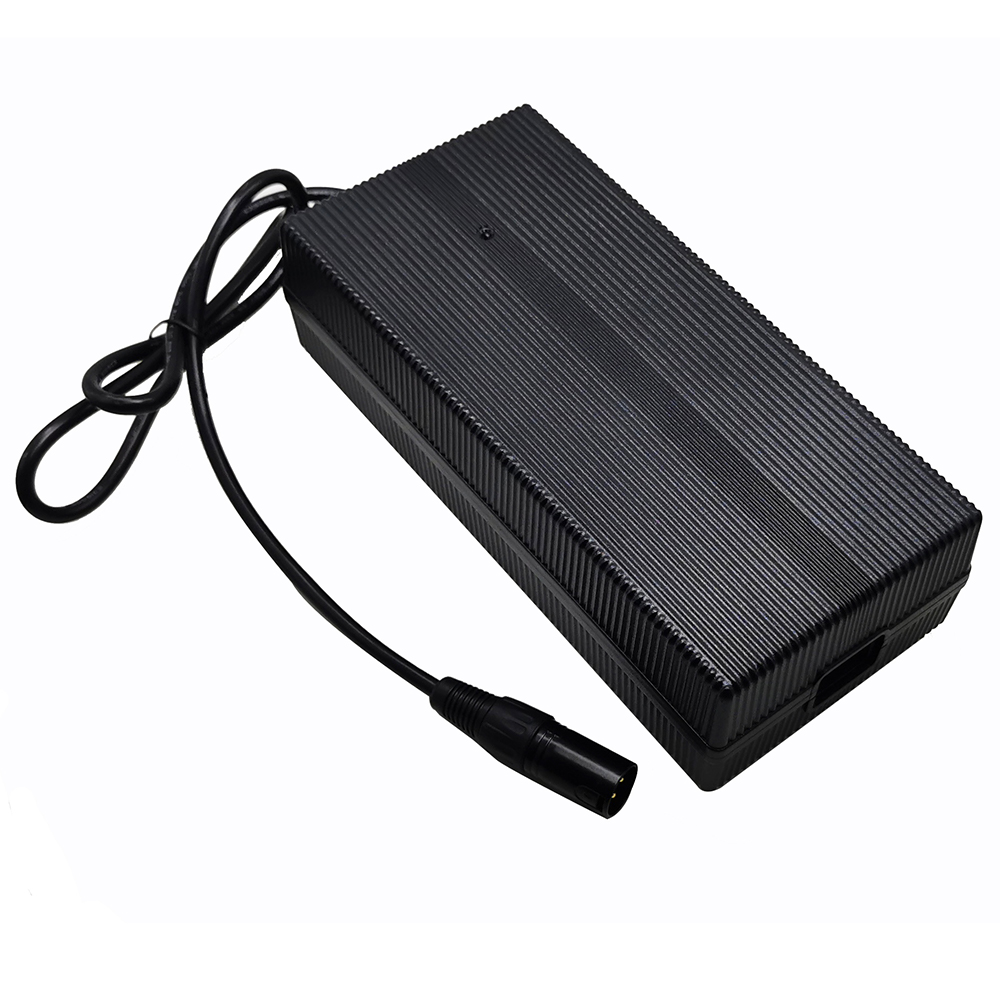
● Application needs: When it comes to high-performance systems, LiFePO4 chargers are the preferred choice. They excel in applications like electric vehicles, solar energy storage, and off-grid systems, where fast charging, efficiency, and long lifespan are critical. These chargers ensure quick recharging and provide lasting power for energy-intensive systems. In contrast, lead-acid chargers are more suited for simpler, budget-conscious applications. They are ideal for basic vehicles, small backup systems, and low-demand setups where high charging speed isn’t a priority.
● Budget: If you're operating on a tighter budget, lead-acid chargers are more cost-effective upfront. They are widely available at affordable prices, making them suitable for basic use cases. However, if you’re looking for long-term savings, LiFePO4 chargers present better value due to their longer lifespan, minimal maintenance, and faster charging. Over time, the additional investment in a LiFePO4 charger pays off by reducing maintenance costs and offering greater efficiency.
● Performance: For systems requiring faster charging, higher efficiency, and minimal maintenance, LiFePO4 chargers outperform lead-acid chargers. LiFePO4 chargers are designed to optimize the charging process, allowing for rapid and efficient battery recharging. They also come with advanced features that protect the battery and ensure optimal performance over the long term. In contrast, lead-acid chargers, while effective for less demanding applications, are slower and require more frequent maintenance.
Investing in LiFePO4 chargers is a forward-thinking choice for those looking to future-proof their energy systems. As the demand for renewable energy, electric mobility, and energy storage solutions continues to rise, LiFePO4 chargers will become an essential component of modern energy infrastructures. These chargers are built to be compatible with current and emerging technologies, providing a reliable and long-lasting solution for a variety of applications. Choosing LiFePO4 chargers ensures that your system remains efficient and sustainable in the years to come.
Choosing between a lead-acid battery charger and a LiFePO4 battery charger depends on your needs and budget. Lead-acid chargers are ideal for low-cost, low-demand uses where charging speed isn’t a priority. However, if you need faster charging, longer battery life, and minimal maintenance, LiFePO4 chargers offer superior performance. Fuyuan provides reliable, high-performance charging solutions tailored to both types of batteries, delivering long-term value and efficiency.
A: The main difference lies in the battery chemistry. Lead-acid chargers are suited for traditional lead-acid batteries, offering lower cost but slower charging. LiFePO4 chargers are designed for lithium batteries, offering faster charging, better efficiency, and longer lifespan.
A: LiFePO4 chargers are ideal if you need faster charging, longer battery life, and minimal maintenance. They are more efficient and safer for modern energy applications compared to lead-acid chargers.
A: No, lead-acid chargers are not compatible with LiFePO4 batteries. LiFePO4 batteries require chargers designed specifically for their chemistry to prevent damage and ensure safe operation.
A: Yes, LiFePO4 chargers typically have a higher upfront cost due to advanced features and faster charging capabilities. However, they offer better long-term value with fewer maintenance requirements and a longer battery lifespan.


