Views: 0 Author: Site Editor Publish Time: 2026-07-10 Origin: Site


An electric scooter charger is the least visible item on a scooter's bill of materials and one of the most common reasons a container sits in customs. Foldable commuter models and off-road boards ship into dozens of markets, each with its own safety scheme, and the charger is usually the last component anyone scopes. Sorting it out early is not a paperwork exercise — it decides which hardware platform a brand can standardise on and how many spare SKUs a warehouse has to carry. For importers and OEM programme managers, the electric scooter charger is the component that sets the launch date.
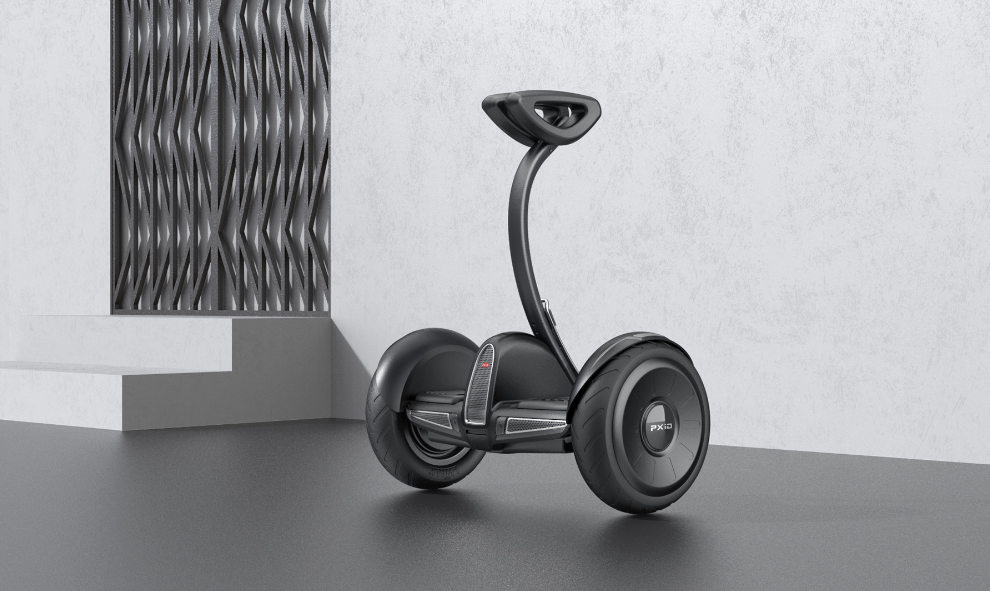
A scooter charger is a mains-connected product that sits on the floor of a rider's hallway, so every importing market treats it as a safety-critical accessory. Buyers who discover the gap after tooling is paid for end up re-certifying a finished product on a compressed timeline, or sourcing a second charger model just for one country.
The safe way to plan is to map the launch list against required schemes before the first sample is ordered. Fuyuan holds certification across the major markets, and RoHS and REACH compliance is confirmed in-house with XRF screening for restricted substances.
Market | Certification typically required |
|---|---|
North America | UL / cUL / ETL, FCC |
European Union | CE (EMC & LVD), TUV-GS, CB |
United Kingdom | UKCA |
Japan | PSE |
South Korea | KC / KCC |
Australia and New Zealand | SAA / RCM |
China | CCC |
India | BIS |
Mexico | NOM |
A folded scooter rides in a car boot or a delivery van, and the charger travels with it in a soft bag pressed against the frame. Vibration loosens what poor soldering left marginal: transformer windings, lead dress, connector locking tabs and mounting posts. Reinforced component retention, adhesive fixing on heavy parts and locking output connectors address the mechanical side; a 4–8 hour full-load burn-in with 100% factory inspection catches the rest before the unit leaves the line.
Tip: Ask for the charger's certificate numbers and verify them on the issuing body's database. A certificate file that cannot be checked against a public register is not worth the paper in the shipping carton.
Scooter ranges mix chemistries: commuter folding models usually run 36 V or 48 V Li-ion packs, budget and rental fleets still use sealed lead-acid, and premium off-road boards are moving to LiFePO4 for cycle life. Keeping a separate charger model per chemistry multiplies inventory, warehouse space and after-sales spares.
A shared hardware platform covering 24 V, 36 V, 42 V and 48 V tiers means the difference between models is the internal charge programme, not the board. A brand can hold one enclosure, one cable assembly and one set of certification files, then configure output behaviour by firmware for each SKU.
Consumer charging faults are predictable: the wrong charger from the drawer, a reversed connector on a modified pack, a charge lead left coiled under a radiator. Protection layers cover reverse polarity, short circuit, over-current, over-voltage and over-temperature, with automatic output cutoff when the pack reaches full charge and a timer limit if the cycle runs long. Cutoff is what keeps a forgotten overnight charge from cooking a pack in a hallway.
Tip: If your fleet mixes lead-acid and lithium models, insist on separate charge programmes rather than one compromise setting. The voltage thresholds and finish behaviour are different enough that a shared curve shortens pack life on both sides.
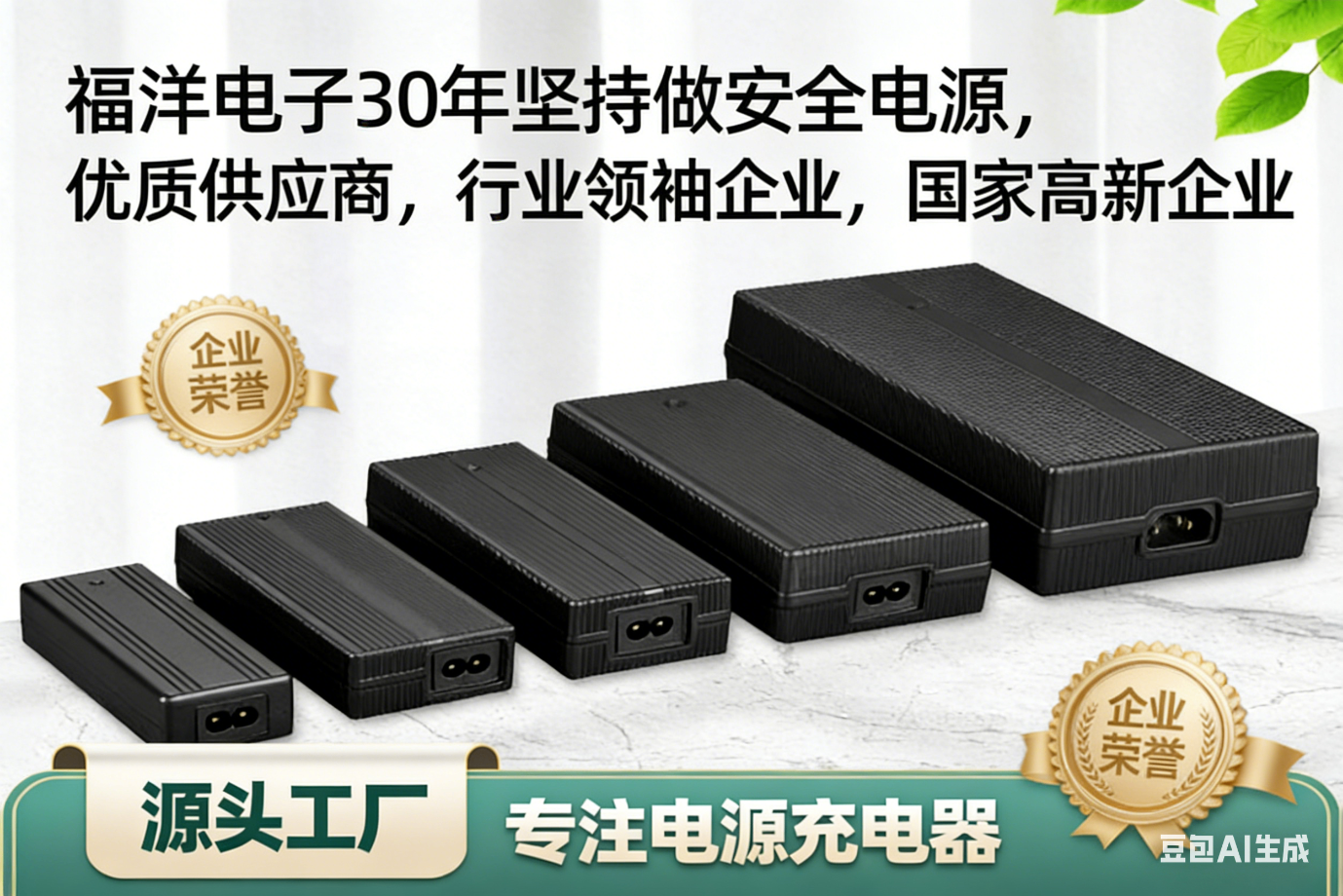
Northern European and high-altitude markets expose chargers to unheated garages and balconies. Units in the range operate from -29 °C to +45.5 °C and store from -40 °C to +75 °C, so a charger left in a shed over winter still starts. Where a board is washed down or stored outdoors, IP67 sealed models keep water and grit out of the enclosure.
Efficiency matters in these conditions too. A GaN/SiC platform at up to 95% efficiency converts more of the mains input into charge current and leaves less waste heat, which keeps the unit cooler in a closed bag and reduces the current drawn from a marginal household circuit.
Tip: Quote the operating temperature range on the retail listing. Retailers in cold markets treat a charger that only works indoors as a returned product waiting to happen.
Scooter brands rarely want a catalogue charger. The differences that matter to them are mechanical: connector type, cable length, enclosure shape, mounting bosses for a frame clip, and branding on the housing. Fuyuan builds these into the tooling rather than adapting a stock part, with design-to-engineering turnaround as fast as 10 days and MOQ from 100 units.
Production runs across two bases in Dongguan and Yongzhou, Hunan — 108,000 m² of floor space with 450 employees and ISO9001, ISO14001, QC080000 and BSCI certification. The in-house CNAS-standard EMC laboratory runs radiated and conducted emissions, harmonics, ESD and surge testing before a sample reaches a third-party lab, which is where most schedule slips in a certification programme start. The broader product range spans 60 W to 10 kW across 3,000+ developed models, and every charger carries a 3-year warranty with MTBF ≥ 30,000 hours.
Tip: Send the pack's charge voltage, capacity and connector drawing with the first enquiry. Output configuration, housing and certification scope all follow from those three data points.
For an export scooter programme, the charger is where compliance, vibration durability and battery coverage meet. Plan the certification set against the launch markets, standardise one hardware platform across voltage tiers, and keep charge programmes separate for lithium, LiFePO4 and lead-acid packs. For reliable products and expert support, Fuyuan Electronic offers high-quality electric scooter chargers engineered for multi-region compliance and daily rider use.
A: It depends on the destination. North America needs UL, cUL or ETL plus FCC; the EU needs CE (EMC & LVD) and often TUV-GS or CB; the UK needs UKCA; Japan needs PSE; Korea needs KC or KCC; Australia and New Zealand need SAA or RCM. RoHS and REACH apply across the EU and UK.
A: Yes, when the platform is built for it. The output window spans 8–87 V, and the difference between voltage tiers is handled in the charge programme, so a brand can hold one enclosure and one certification set across a range.
A: Vibration is a design input, not an accident. Reinforced component retention, potted assemblies and locking connectors are specified for products that travel with the scooter, and every unit is burned in at full load for 4–8 hours before shipping.
A: MOQ is 100 units. OEM/ODM work covers connector type, cable length, enclosure shape, private labelling and logo printing, with design-to-engineering as fast as 10 days.
A: Every charger carries a 3-year warranty, with MTBF rated at ≥ 30,000 hours. Fuyuan has no overseas warehouse or drop-shipping programme, so returns are handled through the buyer's own channel under the agreed terms.


