Views: 0 Author: Site Editor Publish Time: 2026-01-27 Origin: Site


Battery chargers are sold on price and bought on consequences. A unit that costs a fraction of the equipment it charges is the component most likely to shorten that equipment's life, and the failure usually shows up as heat, a pack that never quite reaches full charge, or an early replacement cycle. This guide covers the parameters that predict performance, the questions worth asking before you order, and the traps that catch buyers who compare only wattage and price.
A battery charger converts AC or DC input into the voltage and current a specific battery needs, then manages the delivery so the pack fills completely without being pushed past its limits. That last part is the hard part. Lead-acid, lithium-ion and LiFePO4 packs each need a different termination voltage and a different current taper, and a charger that ignores the difference will overcharge one chemistry and undercharge another.
The three jobs a charger performs are protection, rate control and adaptation. Protection covers short circuit, overcurrent, overvoltage and over-temperature events. Rate control governs how much current the pack sees and when that current tapers. Adaptation matches the output to a pack's voltage window and, on better units, to the pack's temperature.
Voltage must match the pack's full-charge point, not its label voltage. Common output windows run from 8V to 87V, and adjustable multi-voltage units let one charger serve a mixed fleet. A 48V pack charged at 48V stays at roughly 80% state of charge; reaching full requires the 54.6V or 58.4V that depends on cell chemistry.
Current sets charging speed and runs from 0.5A on small consumer units to 50A on heavy motive-power chargers. A rough time estimate is capacity ÷ current × 1.2 for conversion losses. For everyday duty, 0.5C gets a pack to full overnight without stressing the cells; 1C halves the time and shortens pack life in exchange.
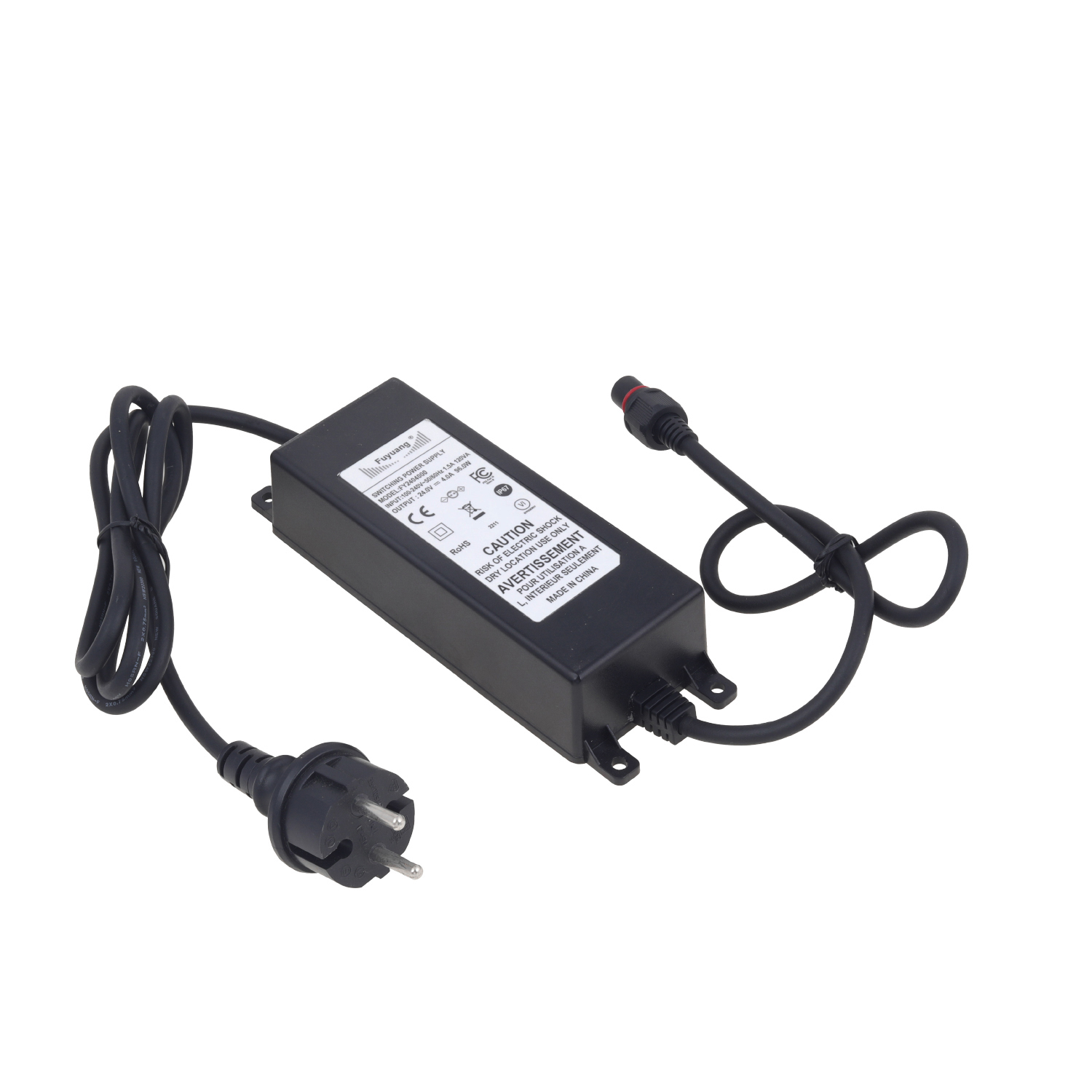
Voltage multiplied by current gives the power class, and the useful figure is the one the charger can hold continuously — not the peak printed on the box. Industrial ranges cover 60W to several kilowatts, with higher ratings available as custom builds. A rating 10–20% above the calculated demand keeps the unit in constant-current mode for the whole cycle instead of derating partway through.
Efficiency decides how much input power turns into heat rather than stored energy. A 120W output at 90% efficiency draws about 133W; at 85% it draws around 141W. The gap looks small on one unit and compounds across a fleet, showing up as enclosure temperature as much as on the electricity bill. Look for efficiency figures of 90% and above, and for a recognised energy mark such as DoE Level VI or ErP Stage 2.
IP ratings describe what the enclosure keeps out. IP67 means dust-tight and able to survive 30 minutes at one metre of water — the sensible minimum for scooters, outdoor lighting and equipment that charges on a wet floor. IP54 covers indoor dust and splashes only.
Certification is the only externally verified claim on the label. UL, cUL or ETL for North America, CE with EMC and LVD coverage for Europe, UKCA for the UK, PSE for Japan, KC for Korea, SAA or RCM for Australia, CCC for China — the mark has to match the market. An uncertified charger may also void insurance and stop at customs, which turns a cheap purchase into an expensive delay.
Four use patterns cover most purchases, and each one sets different priorities.
Consumer devices: speakers, fans, portable lighting and small tools need 60W-class plug-in units with an adjustable 8V–24V output, basic protection and a low idle draw.
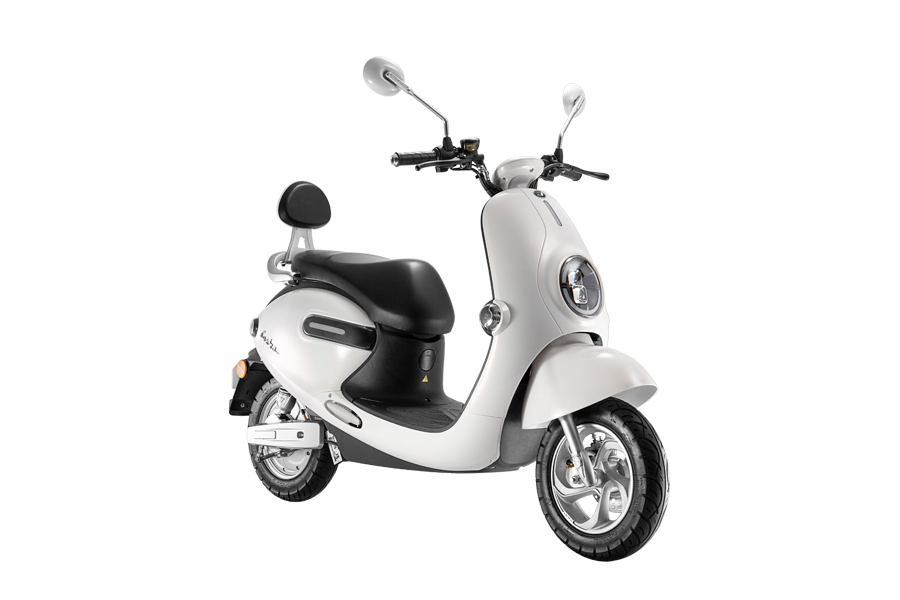
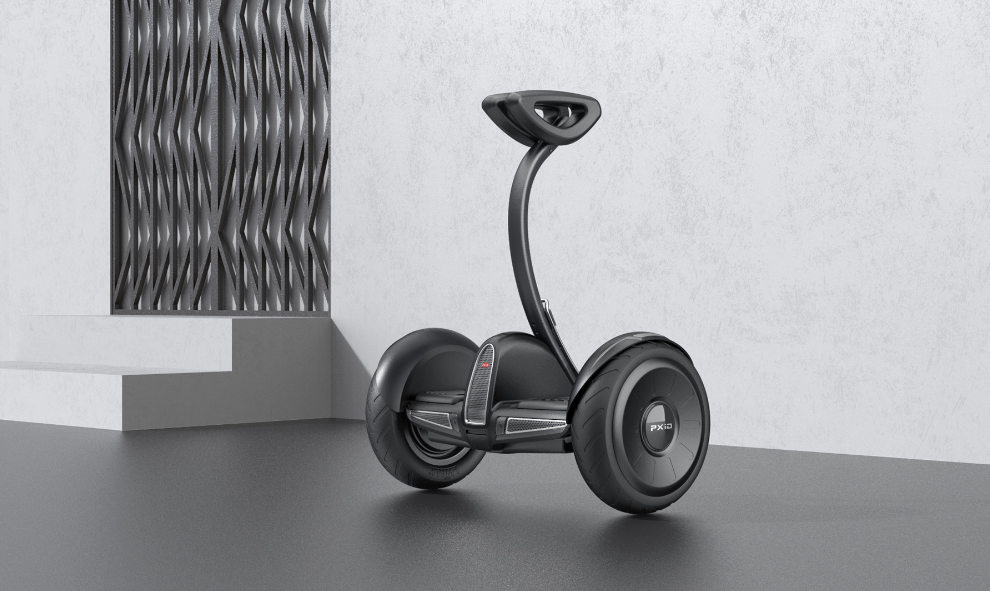
Light electric vehicles: e-bikes, balance scooters and e-scooters want 150–400W with efficiency above 92%, a charge curve matched to the pack chemistry, and over-temperature protection for summer charging.
Industrial equipment: AGVs, forklifts and robot fleets need 600W to several kilowatts, multi-channel outputs for redundancy, and a charger that can report status over CAN 2.0 or RS485.
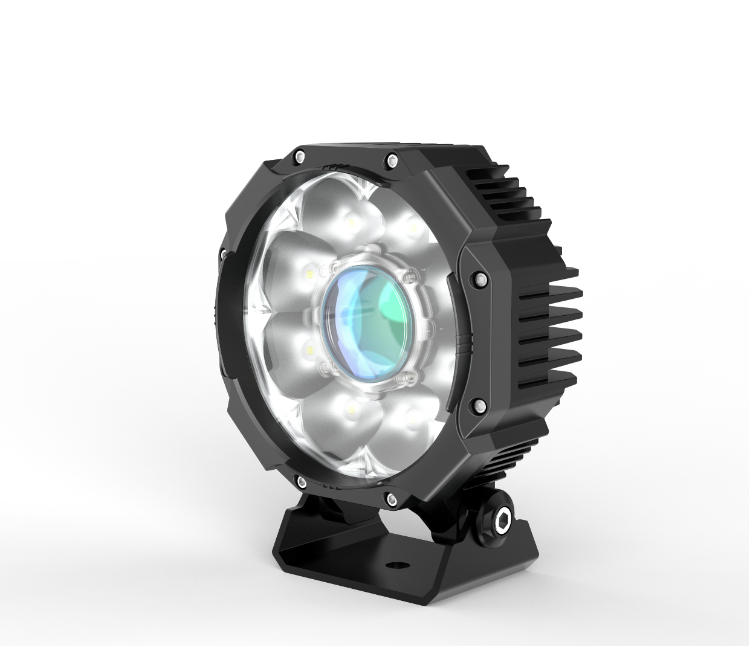
Outdoor lighting: a LED driver with IP67 sealing and constant-current output covers signage, landscape lighting and street furniture with fewer flicker-related failures.

Tip: Buy for the duty cycle, not the peak. A charger that runs four hours a day needs a different thermal design from one that runs continuously in a depot with no airflow.
Cheap units often skip the certification process entirely, which means untested insulation and unverified component ratings. Certificate numbers can be checked against the issuing body's register in a few minutes, and any supplier unwilling to provide them is telling you something.
Oversizing adds cost, weight and no-load loss, and it does not improve safety. Size to the load with a modest margin, and let the pack's own charge curve decide when to stop.
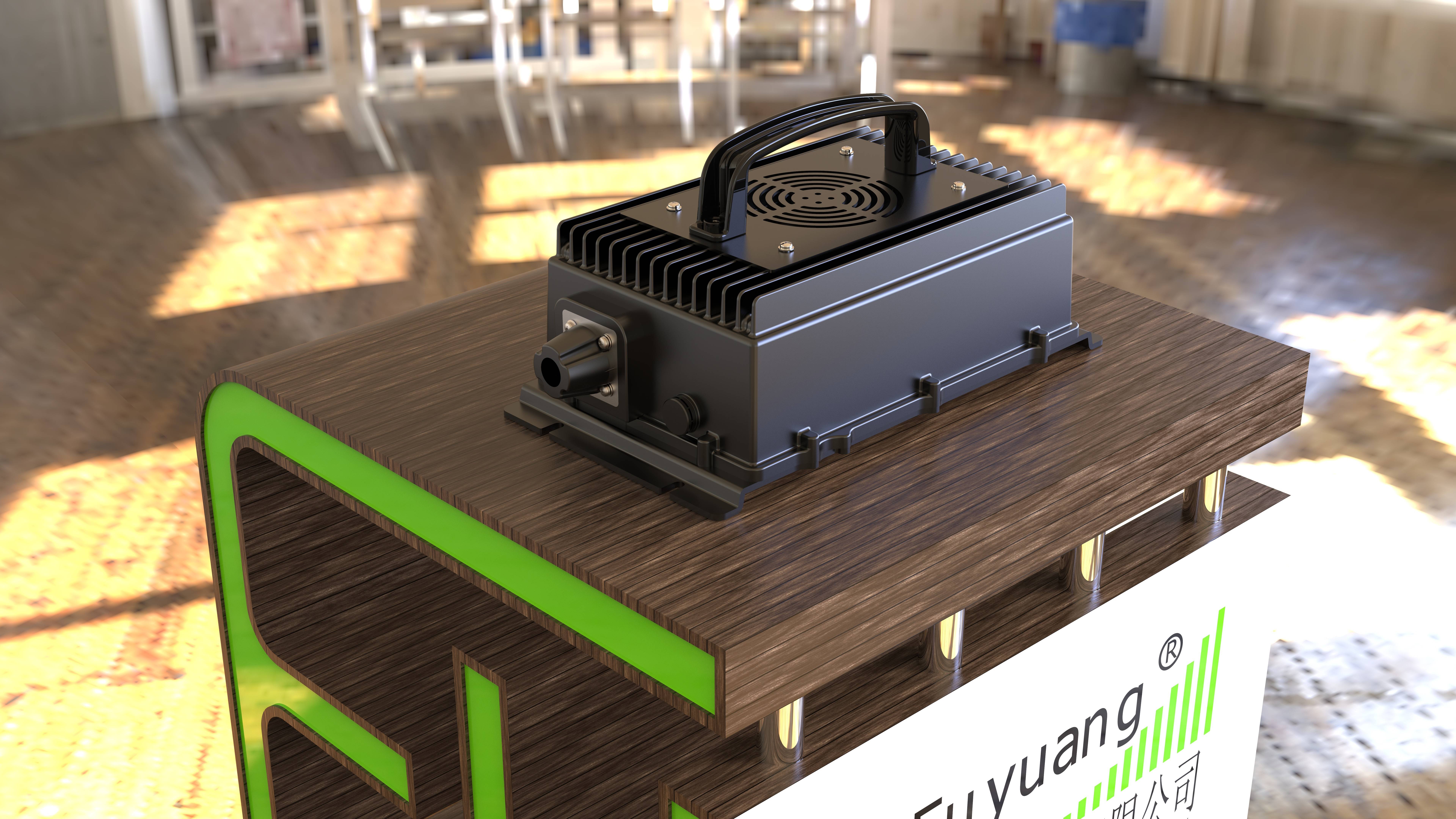
A sealed plastic case on a high-power charger is a warning sign. Natural convection, aluminium housings and uncluttered internal airflow paths are what keep temperatures in range; a fan can help, but only if its intake stays clean.
Lead-acid, lithium-ion and LiFePO4 packs use different termination voltages. A charger built for one will damage or under-serve the others, and the mistake is easy to make when two packs share a connector standard.
A charger is a consumable part, not a one-off purchase. Warranty length, spare-part availability and a documented RMA route matter more than a small price difference, particularly when the charger is one of fifty in a fleet.
Start with the requirement: chemistry, pack voltage, capacity and how the equipment is actually used. Then compare specifications on the four numbers that matter — output voltage window, continuous current, efficiency and IP rating — and confirm they were measured under conditions close to yours. Finish with the supplier: manufacturing certification, an addressable technical contact and a warranty you can enforce.
Suppliers worth shortlisting usually publish more than a datasheet. Ask whether units undergo full-load burn-in before dispatch, what the MTBF figure is, and whether the factory holds ISO 9001. A 4–8 hour burn-in on every unit and an MTBF of 30,000 hours or higher indicate a production line that tests rather than samples, and those are claims that can be checked through an audit.
Tip: Write the four critical figures — voltage window, current, efficiency and IP rating — into your purchase order. It gives you a specification to reject against if the delivered unit does not match.
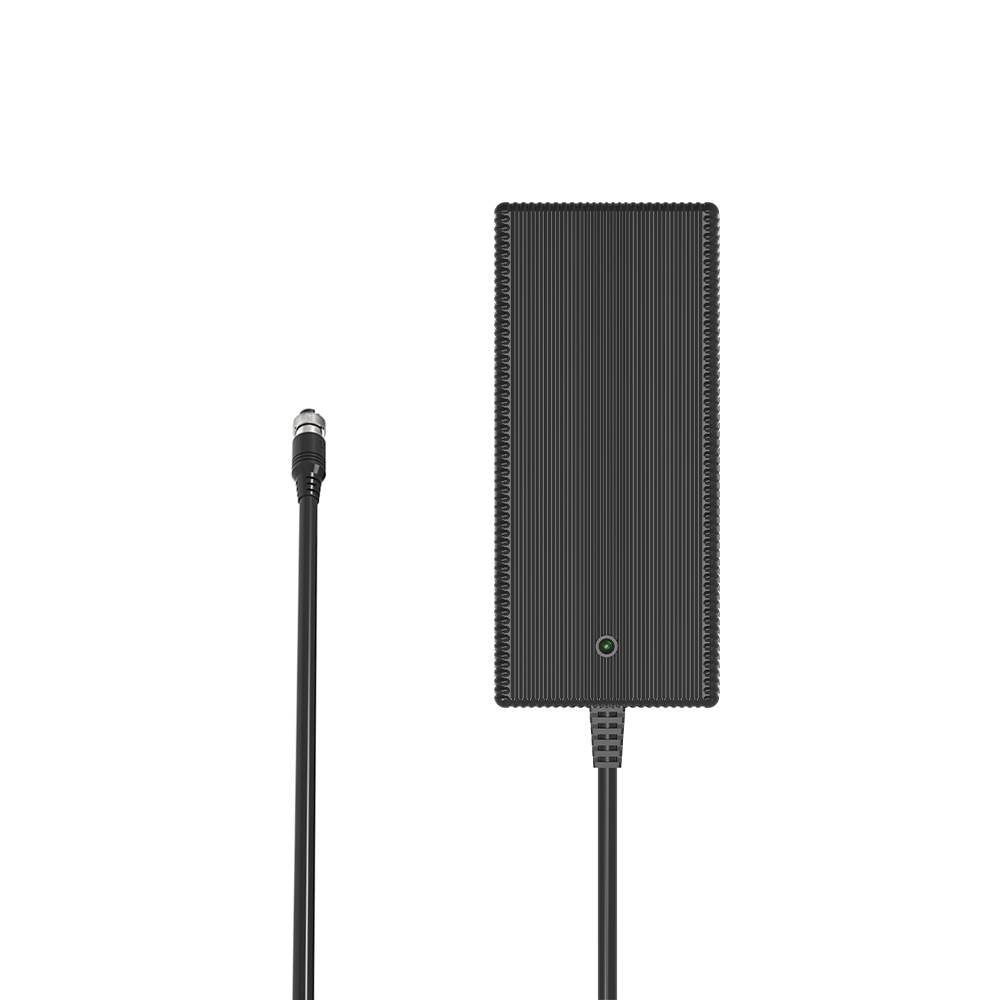
The right charger is not the highest-rated one on the shelf; it is the unit whose voltage window, current, efficiency and sealing match the pack and the environment it works in. Certification, burn-in practice and warranty length are the evidence those numbers will hold up. For reliable products and expert support, Fuyuan Electronic offers high-quality battery chargers engineered for continuous duty.
A: Multiply the pack's charge voltage by the current you intend to deliver, then add 10–20% headroom. A 48V pack charged at 10A needs roughly 550W, so a 600W unit is appropriate rather than a marginal one.
A: No. Excess capacity adds cost, weight and idle losses, and it does not make charging safer. The charger's curve and protection set determine how the pack is treated, not the maximum rating on the label.
A: Dust-tight construction and resistance to 30 minutes of immersion at one metre depth. It suits outdoor and wash-down environments, though it is not a licence to leave a unit submerged or exposed to salt spray.
A: The mandatory marks for your destination market. North America generally needs UL, cUL or ETL plus FCC; Europe needs CE covering EMC and LVD and often TUV-GS; the UK needs UKCA. RoHS and REACH declarations apply in most territories.
A: A 4–8 hour full-load burn-in at elevated ambient temperature exposes units that would fail in the first weeks of service. Combined with 100% factory inspection, it moves infant-mortality failures to the factory instead of the customer's site.


