Views: 0 Author: Site Editor Publish Time: 2025-12-12 Origin: Site


Choosing the right LiFePO4 battery charger is crucial. Using the wrong charger can harm your battery. LiFePO4 batteries need precise charging for safety and efficiency.
In this guide, we’ll explain how to choose the best charger for your 12V, 24V, 36V, or 48V LiFePO4 battery.You'll learn how charger technology can improve battery lifespan and performance.Learn more about Fuyuan and how our chargers can help you.
LiFePO4 battery chargers operate with a Constant Current (CC) / Constant Voltage (CV) algorithm specifically designed for the LiFePO4 chemistry. These batteries are known for their long life cycle, safety, and thermal stability, making them ideal for use in solar energy systems, electric vehicles, and portable power storage. The charger must deliver a specific voltage, often 14.6V for a 12V battery pack, to ensure that the battery charges correctly without overcharging or damaging the cells.
Battery Size | Charging Voltage | Maximum Charging Current |
12V | 14.6V | 5A |
24V | 29.2V | 10A |
36V | 43.8V | 15A |
48V | 58.4V | 20A |
This table outlines the common charging voltage and current specifications for LiFePO4 batteries of different sizes. Matching the correct charger voltage and current is essential for proper battery maintenance.
LiFePO4 chargers provide constant current until the battery reaches its voltage threshold, after which they switch to constant voltage. This process ensures that the battery is charged optimally and safely. Overcharging or using the wrong charger can significantly reduce the battery's lifespan, so it’s crucial to use a charger specifically designed for LiFePO4 chemistry.
Some chargers also incorporate temperature sensors to adjust the charging process based on the battery's temperature. This adaptive approach ensures the battery is charged safely, avoiding potential damage from excessive heat during the charging process.
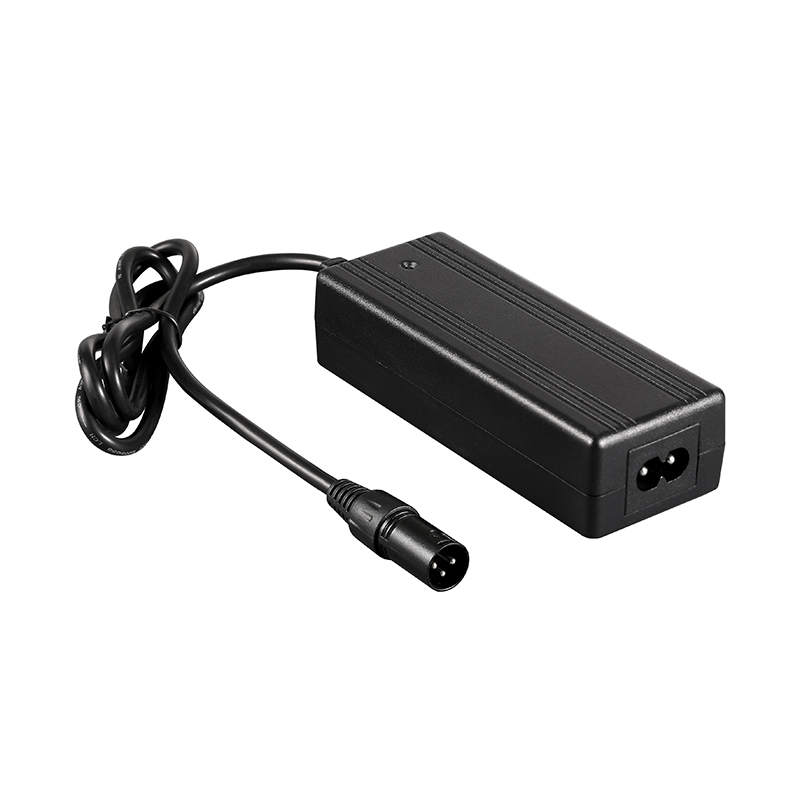
LiFePO4 batteries require a precise charging profile to ensure their longevity. Chargers designed for LiFePO4 provide accurate voltage control, which helps to maintain the battery’s health over time. A high-quality LiFePO4 charger will feature built-in safeguards to prevent overcharging, undercharging, and damage from excessive current. These safeguards include automatic cut-offs and integrated protection circuits.
Feature | Function | Benefit |
Overload Protection | Prevents overcurrent conditions | Protects battery and charger |
Over-temperature Protection | Shuts off charger if temperature exceeds safe limits | Prevents overheating and damage |
Short-circuit Protection | Detects and prevents short circuits | Prevents damage and ensures safety |
Reverse Polarity Protection | Ensures correct polarity connection | Prevents incorrect battery connections and damage |
The table above shows some key safety features that ensure safe operation when charging LiFePO4 batteries. These features help extend battery life and prevent damage.
Modern LiFePO4 chargers come equipped with intelligent features that optimize charging performance. These include automatic battery detection, charge level balancing, and advanced temperature controls to ensure safe operation. With fast charging capabilities, these chargers ensure that your LiFePO4 battery reaches full capacity as quickly as possible while maintaining the health of the cells.
Furthermore, these chargers can adjust the charge rate depending on the condition of the battery, helping to minimize heat buildup and improve charging efficiency.
When selecting a LiFePO4 charger, ensuring compatibility with your battery’s voltage is essential. A 12V battery will typically charge at 14.6V, while 24V, 36V, and 48V systems require their respective charging voltages. It's critical to match the charger to the battery configuration to avoid inefficiency and potential damage. Charging a 12V battery with a charger that is designed for a 24V system will result in poor performance or damage to the cells.
Safety is paramount when choosing a LiFePO4 charger. Look for chargers that offer features such as:
● Overload protection
● Over-temperature protection
● Short-circuit protection
● Reverse polarity protection
These features prevent accidents and ensure that both the charger and battery are protected from damage. For example, chargers with fire-resistant plastic housing and multi-layer protection mechanisms guarantee long-term safety, even under demanding conditions.
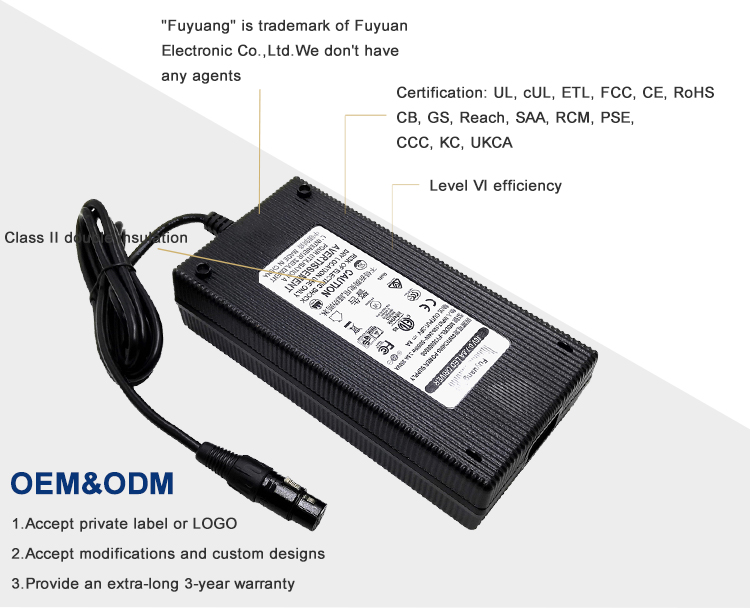
LiFePO4 batteries are often used in solar power storage systems and backup power applications. A high-quality charger can efficiently charge the batteries during the day and provide power when needed. Many industrial and residential applications now rely on these batteries for sustainable energy solutions. By ensuring that the batteries are charged properly, the chargers play a vital role in maintaining energy reliability.
These battery systems are often used in off-grid applications where efficiency and long-term reliability are critical.
In electric vehicles (EVs) and e-mobility solutions, LiFePO4 batteries are commonly used due to their safety and long cycle life. LiFePO4 chargers ensure that these systems are charged efficiently, allowing for better performance and longer driving ranges. With the growing demand for electric vehicles, LiFePO4 chargers are essential for ensuring that EVs are charged safely and efficiently, providing reliable service for years.
LiFePO4 chargers are also widely used in marine and recreational vehicle (RV) systems, where reliability and long-lasting battery life are essential. These chargers provide a reliable and safe method of charging in both home and industrial environments. In marine applications, where moisture and temperature changes can stress the battery system, having a charger that ensures proper charging can greatly enhance battery life.
The future of LiFePO4 battery chargers is evolving, with the integration of Internet of Things (IoT) technology. This will enable remote monitoring, diagnostics, and real-time updates, offering more efficient and adaptive charging solutions. By incorporating smart features, chargers will be able to predict potential issues, providing users with timely information for better maintenance and optimization.
The ability to monitor battery health and charging progress remotely is especially important for businesses that rely on energy storage systems and EV fleets, allowing them to manage operations more efficiently.
Temperature regulation is a crucial factor in ensuring the longevity of both the battery and charger. Modern chargers integrate advanced cooling technologies that keep the system temperature within safe limits, especially during high-current charging phases. Overheating is a significant cause of damage to both batteries and chargers, so effective cooling is essential for maintaining performance and reliability.
Some chargers come with fan-assisted cooling, while others use passive heat dissipation for quieter operations.
Maintaining your LiFePO4 charger is essential for optimal performance and longevity. Regular inspections help ensure that the charger functions properly. Dust, debris, and dirt buildup can obstruct the vents or interfere with cooling systems, leading to reduced efficiency and potential overheating.
Cleaning Tips:
● Regularly clean the charger’s vents to prevent dust buildup.
● Inspect and clean the charging cables for any signs of wear or corrosion.
● Check for any loose connections or damaged components.
By regularly cleaning the device and ensuring that all components are in good condition, you can prolong the life of your charger and maintain its high-performance standards. Always follow the manufacturer’s maintenance recommendations to prevent issues and ensure the charger is functioning optimally.
As technology continues to evolve, manufacturers release firmware updates to enhance charger performance. These updates typically include bug fixes, improved compatibility with newer battery technologies, and added safety features.
By keeping your LiFePO4 charger updated with the latest firmware:
● You gain access to newer features, including enhanced power management, charge balancing, and system diagnostics.
● It helps to optimize charging efficiency and battery health monitoring.
Regular updates also improve the charger’s interaction with newer battery chemistries and adapt to emerging technologies. Ensuring that your charger is always up-to-date allows you to take advantage of the latest advancements, maximizing safety and performance.
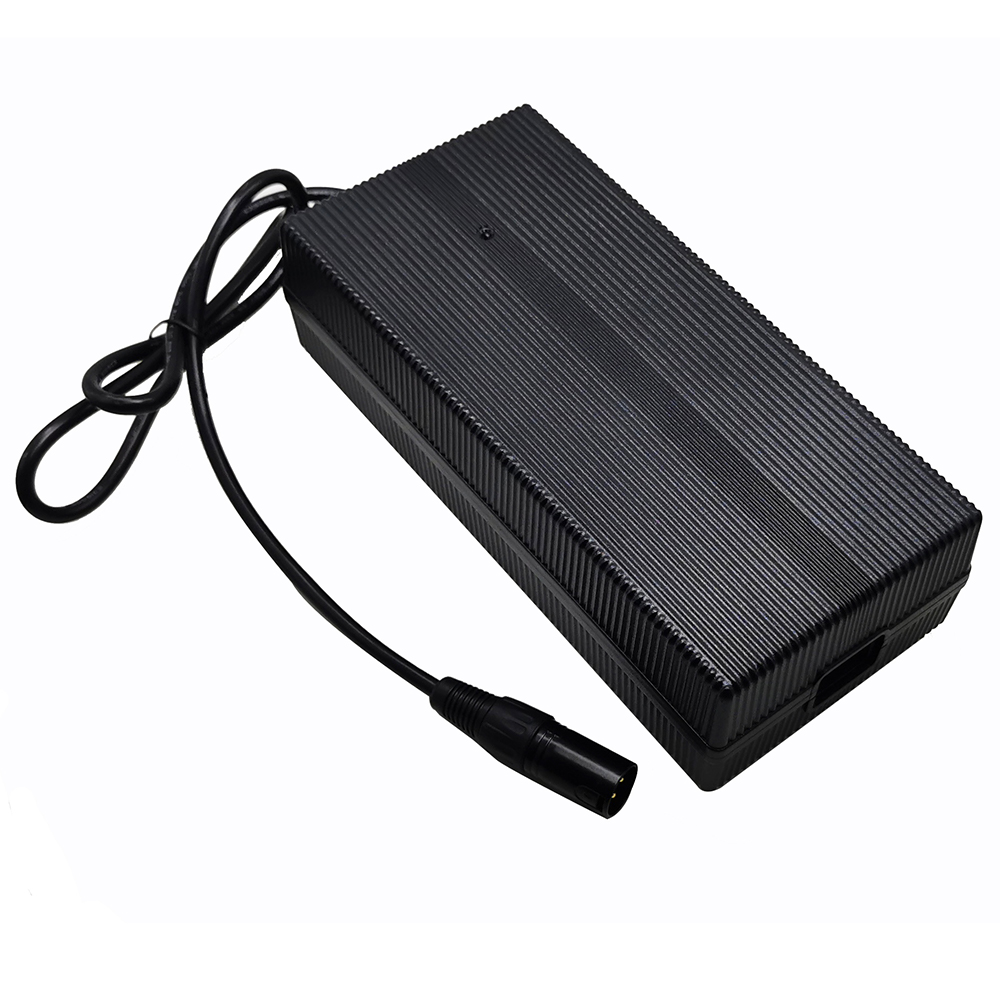
The future of LiFePO4 battery chargers is leaning heavily toward greater integration with Internet of Things (IoT) and smart technologies. With IoT integration, users can monitor battery status, charger performance, and even environmental conditions remotely via smartphones or web-based platforms. This connectivity will make it easier to:
● Track the charge cycle and health status of batteries in real time.
● Perform predictive maintenance, addressing potential issues before they become critical.
In addition, smart LiFePO4 chargers can adjust charging parameters based on the battery's health, temperature, and charge cycle data, offering a more personalized and optimized charging experience. By incorporating advanced data analytics, these smart chargers will become more efficient and adaptive.
Advancements in materials science are leading to the development of lighter, more durable electric actuators. These innovations will significantly improve the overall performance of LiFePO4 chargers. New materials used in actuators will reduce their weight, making them easier to integrate into space-constrained environments. At the same time, the enhanced durability will extend the lifespan of these actuators, ensuring that the charger can function reliably under a wider range of conditions.
By utilizing stronger and more heat-resistant materials, these actuators will offer better energy efficiency, lower power consumption, and faster charging speeds. These innovations will also ensure that the chargers are more environmentally friendly by reducing the materials used and lowering energy losses during operation.
As industries evolve, the demand for more specialized charging solutions increases. Manufacturers are responding by offering more modular and customizable LiFePO4 battery chargers. This trend allows industries to tailor charging systems to meet their specific needs.
Benefits of modular and customizable chargers include:
● The ability to adjust the number of output channels and power capacity.
● Adaptability to work with various battery configurations and voltages.
● The flexibility to easily upgrade or replace specific parts to improve efficiency or functionality.
This customization can reduce both upfront costs and maintenance costs, as users can optimize their chargers for specific tasks. For example, in large-scale industrial applications, a modular charging system could allow different batteries to charge simultaneously without needing separate chargers for each type.
Tip: When choosing a LiFePO4 charger, consider whether a modular system can provide better flexibility and future-proofing for your application needs.
Selecting the right LiFePO4 battery charger ensures optimal battery performance and longevity. Modern chargers focus on precision, safety, and efficiency, addressing the growing demand for reliable power storage solutions. As battery technology evolves, chargers will feature smarter and more efficient functions. Fuyuan offers high-quality chargers designed to enhance your battery’s lifespan and performance.
A: A LiFePO4 battery charger is designed for lithium iron phosphate batteries. It ensures precise charging, enhancing battery lifespan, safety, and performance.
A: Choose a charger that matches your battery's voltage (12V, 24V, 36V, or 48V). Ensure it has proper safety features and charging protocols specific to LiFePO4 chemistry.
A: No, using an inappropriate charger can damage the battery. LiFePO4 chargers have specific voltage and current settings tailored to this battery type.
A: Regular maintenance is key. Inspect the charger for dust, clean it regularly, and check for firmware updates to ensure optimal performance and longevity.


