Views: 0 Author: Site Editor Publish Time: 2025-12-12 Origin: Site


Choosing the right charger is key to your e-bike’s performance. With so many options, it’s hard to choose.In this guide, we’ll explore e-bike chargers and key features to consider. Learn how to select and maintain the best charger for your e-bike.Discover Fuyuan’s reliable and safe e-bike charging solutions for long-lasting power.
An e-bike battery charger is a device specifically designed to recharge the battery that powers electric bicycles. It converts AC (alternating current) power from a wall outlet into DC (direct current) power, which is the type of power required by most e-bike batteries. Using the correct charger is essential to maintain the battery’s health, ensuring it charges properly and lasts longer.
E-bike chargers vary in voltage and power ratings, depending on the specifications of the e-bike battery. Chargers are typically designed to meet the needs of a specific battery type, ensuring they provide the correct voltage and current for safe charging. Using the wrong charger can damage the battery and reduce its lifespan.
E-bike chargers work by converting AC power from a standard wall outlet into DC power that the battery can use. Once plugged in, the charger sends a current into the battery. The charger adjusts the current based on the battery's capacity, ensuring it doesn’t overcharge. Once the battery is fully charged, the charger typically switches to a trickle or maintenance charge to keep the battery at full capacity without risking overcharging.
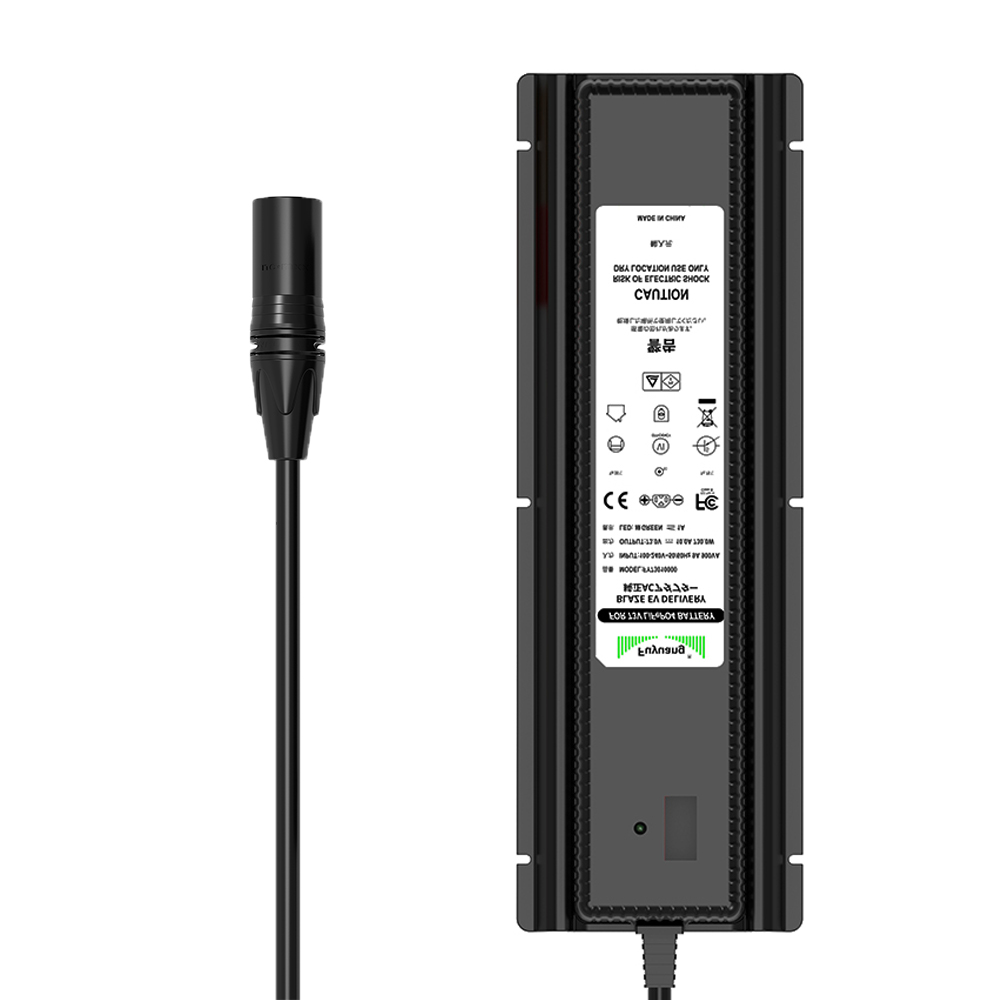
Choosing the right charger for your e-bike involves understanding the differences between charger types. Each type has its unique benefits and limitations, and the right choice depends on your specific charging needs, how often you ride, and how fast you need to recharge your e-bike.
Standard chargers are the most commonly used chargers for e-bikes. They are simple, reliable, and affordable. These chargers usually provide a steady charge at a lower current, which is ideal for users who don’t need fast turnaround times. However, they charge the battery more slowly compared to other charger types. While they may take several hours to fully charge the battery, they are sufficient for daily commutes and occasional use.
Fast chargers are designed to reduce charging times significantly. These chargers provide a higher current, allowing the battery to reach full charge much quicker, often in 1–2 hours. They are perfect for riders who need a quick turnaround or have limited time between rides. However, they can put more stress on the battery and, if used frequently, may reduce the overall lifespan of the battery due to increased heat generation and faster wear. Therefore, fast chargers are best used in specific situations where time is critical, not as the primary charger.
Smart chargers are advanced chargers that offer additional features, such as automatic shut-off once the battery is fully charged. This feature helps extend the lifespan of the battery by preventing overcharging and overheating. Many smart chargers also monitor the battery’s health, adjusting charging parameters based on factors like temperature and voltage. This makes them ideal for long-term use and ensures that the battery remains in good condition for a longer time. While they may be more expensive, they are a great choice for riders who prioritize battery longevity and overall performance.
Portable chargers are compact, lightweight, and perfect for on-the-go charging. These chargers can be carried easily, making them ideal for long trips or emergency charging situations when you’re away from home. However, portable chargers are generally slower compared to standard or fast chargers, so they may take longer to charge the battery fully. They are typically used as a backup solution when a standard charger isn’t available or when you’re traveling and need a convenient option for recharging.
Charger Type | Key Features | Pros | Cons |
Standard Charger | Slower charging, reliable | Affordable, widely available | Longer charging times, less efficient |
Fast Charger | Higher charging rate | Quick charging times | May affect battery lifespan with frequent use |
Smart Charger | Automatically adjusts voltage, overcharge protection | Extends battery life, efficient | More expensive, may not be compatible with all bikes |
Portable Charger | Compact and lightweight, easy to carry | Convenient for on-the-go charging | Slower charging times, limited power output |
When selecting an e-bike charger, there are several important features to keep in mind. These features directly impact charging time, battery longevity, and overall safety. Choosing the right charger ensures your battery performs optimally and lasts longer.
One of the most crucial aspects of selecting an e-bike charger is voltage compatibility. The voltage of the charger must match the voltage of your e-bike battery. For example, if you have a 36V battery, you’ll need a charger designed for that voltage. Using a charger with the wrong voltage can cause overcharging or undercharging, both of which can damage the battery and reduce its lifespan. Always check the specifications of both the charger and the battery to ensure they are compatible.

Amperage plays a significant role in how fast the battery charges. The higher the amperage, the faster the charging speed. However, it's important to strike a balance. While high amperage chargers can charge your battery more quickly, they can also generate more heat, which may lead to increased wear and tear on the battery over time. For longer battery life, it’s crucial to choose a charger with an appropriate amperage that balances speed with the health of your battery. If charging speed isn’t an immediate concern, opting for a charger with lower amperage may extend your battery's longevity while still offering reasonable charging times.
Charger Type | Charging Time (for 500Wh Battery) | Suitable For |
Standard Charger | 4-6 hours | Casual users, slow-paced rides |
Fast Charger | 1.5-2.5 hours | Riders needing quick turnarounds |
Smart Charger | 3-5 hours | Long-term users seeking battery health |
Portable Charger | 5-8 hours | Emergency charging on the go |
Charger efficiency indicates how well the charger converts power from the source to the battery. Higher efficiency means faster charging times and less energy loss. The rated output power of a charger will also affect how much power it delivers to the battery.
E-bike chargers use different types of connectors to link to the battery. Understanding these connectors is crucial to ensure compatibility and prevent damage.
● DC Plug: This is the most common connector for e-bike charging. It’s small, round, and widely used across various e-bike models due to its simplicity and reliability.
● XLR Plug: Larger and more robust, the XLR plug is typically used for higher-powered chargers. It provides a secure connection, ideal for e-bikes with more powerful motors and larger batteries.
● RCA Plug: A simple, smaller connector with a pin, the RCA plug is less common but still used in certain e-bike models. It’s often seen in budget-friendly e-bikes or older models.
To avoid any charging issues or damage, ensure that the charger’s connector matches the one on your e-bike battery. Check the charger specifications carefully to confirm the correct connector type. Using the wrong connector can result in poor charging performance, and in some cases, may cause irreversible damage to either the charger or the battery.
Connector Type | Description | Compatibility |
DC Plug | Small, round connector, most common | Used in many standard e-bikes |
XLR Plug | Larger, more robust connector | Used for high-power applications |
RCA Plug | Simple, small pin connector | Older e-bike models or specific brands |
Proper charging techniques are essential for preserving your e-bike battery’s health and extending its lifespan. Following the right steps ensures that your battery charges safely and efficiently while maintaining its performance over time.
1. Turn off the e-bike before connecting the charger. This prevents any electrical surges that could damage the battery.
2. Plug the charger into the wall outlet. Make sure the charger is compatible with the outlet’s voltage.
3. Connect the charger to the e-bike battery. Ensure the connection is secure and that you’re using the correct charger for your battery type.
4. Wait until the charging light turns green, indicating that the battery is fully charged. Never interrupt the charging process while it's still in progress.
5. Unplug the charger from the battery first, then the wall outlet. This helps prevent any electrical issues or damage to the charger.
● Do allow the battery to cool down before charging, especially after a long ride. Charging while the battery is hot can lead to overheating and decrease battery life.
● Don’t leave the charger plugged in once the battery is fully charged. Overcharging can cause the battery to degrade faster, reducing its overall lifespan. Always unplug the charger once it’s done charging.
By following these simple guidelines, you can ensure your e-bike battery remains in top condition and performs efficiently for years to come.
Occasionally, you may encounter issues while charging your e-bike. Here’s what to check when charging isn’t going as planned.
Check the charger and battery connections for any loose wiring. If the battery still won’t charge, it might be an issue with the battery cells or charger. Try using another charger to confirm the issue.
Overheating can occur if the battery or charger is left plugged in for too long or in an overly warm environment. To prevent this, always use chargers with built-in temperature regulation features.
Proper maintenance of your charger ensures its longevity and functionality.
● Keep the charger clean and dry.
● Store the charger in a cool, dry place.
● Regularly check for signs of wear, such as frayed cables or damaged connectors.
If the charger is overheating, not working properly, or showing warning lights, it may be time to replace it. Always ensure the replacement charger is compatible with your e-bike battery.
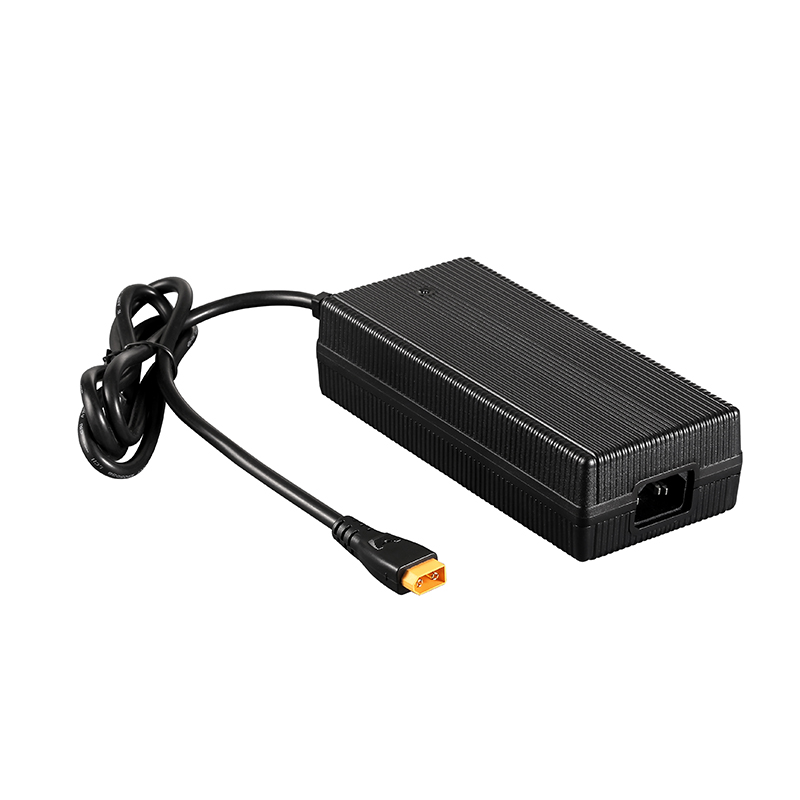
The e-bike charging industry is evolving, with new technologies improving charging efficiency, convenience, and sustainability.
New chargers feature adaptive charging systems that adjust the current and voltage based on the battery’s health and charge level, improving battery lifespan and energy efficiency.
Emerging charging methods like solar and wireless charging offer convenient, eco-friendly alternatives for powering e-bikes. These technologies will continue to grow as renewable energy solutions become more mainstream.
Choosing the right e-bike charger is essential for maintaining battery health, reducing charging time, and improving the overall e-bike experience. By understanding the different charger types and features, you can make an informed decision. Whether you need a fast charger or a smart charger, selecting the right one will keep your e-bike powered and ready. Fuyuan offers high-quality charging solutions, ensuring efficiency, reliability, and long-term battery care.
Tip: Always ensure that your charger matches your battery’s specifications to prevent damage and ensure safe, efficient charging.
A: An e-bike battery charger is a device that replenishes the power of your e-bike battery. It converts AC power from a wall outlet to DC power, ensuring safe and efficient recharging.
A: When choosing an e-bike charger, consider the battery’s voltage, the charger’s amperage, and the charging speed. Fast chargers reduce charging time, while smart chargers help protect the battery’s lifespan.
A: No, you must use a charger that matches your e-bike battery’s voltage and connector type. Using the wrong charger can damage the battery or result in inefficient charging.
A: If your e-bike charger isn’t working, check for issues like loose connections, damaged cables, or an overheated charger. You may need to replace the charger or battery if problems persist.


